
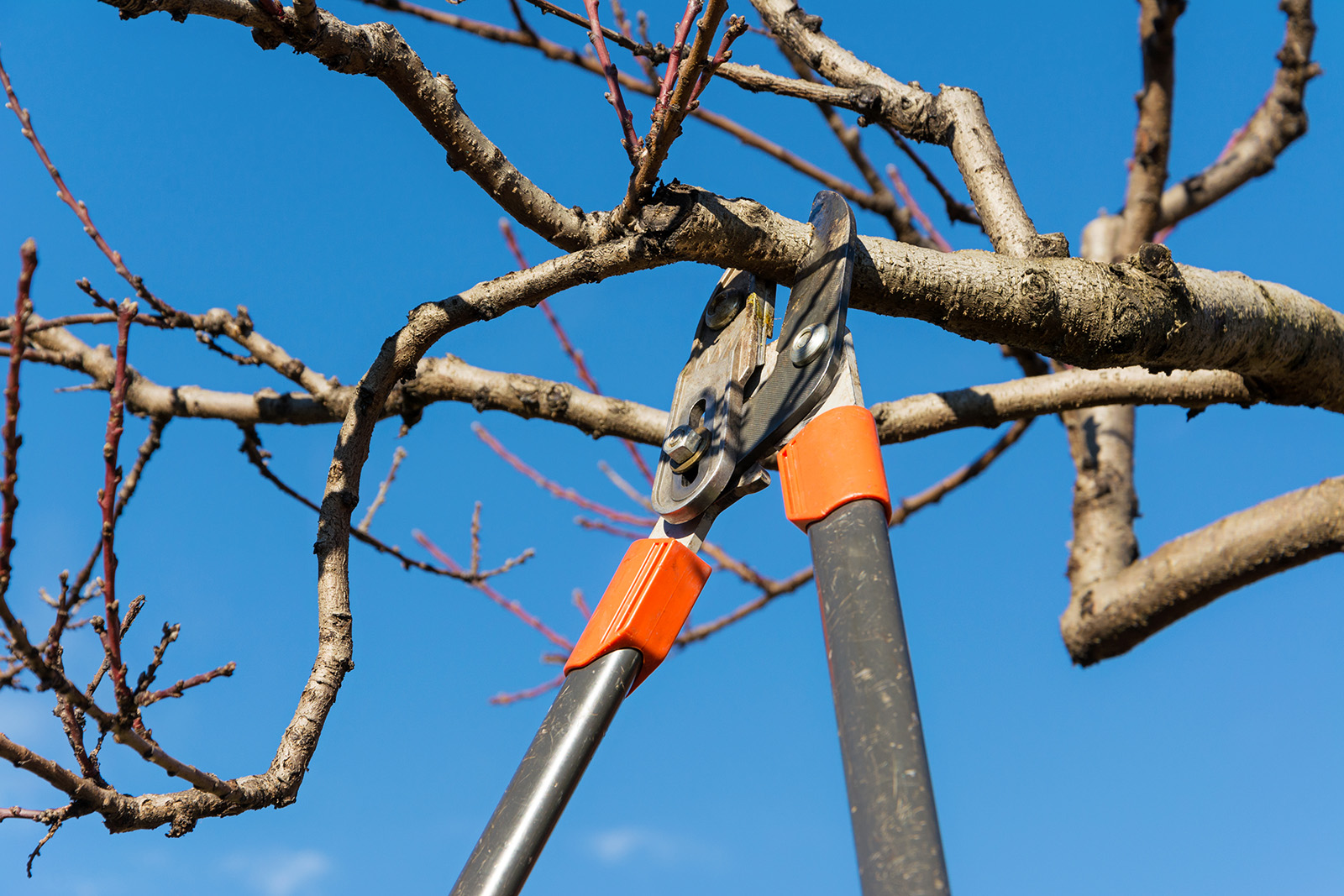
Toronto winters can feel long, but they create one of the best windows for pruning. With leaves off the trees, structure is easy to see. Sap flow is low. Many pests and diseases are inactive. Careful pruning from January to early March builds stronger limbs, reduces storm risk, and sets the stage for healthy spring growth. Here is a clear, practical guide to winter pruning for homeowners across Toronto and the GTA.
Why winter is a smart time to prune
Better visibility
Without foliage, you can see the branch architecture. Deadwood, tight crotches, crossing branches, and weak attachments stand out. Crews can plan precise cuts and control where weight comes off.
Lower disease pressure
Many pathogens are less active in cold weather. Pruning cuts made now are less likely to become infection points. This is especially helpful for disease prone species when timed correctly.
Less stress on trees
Dormant trees are not pushing new growth. A conservative winter cut reduces stress and limits unwanted sprouting. When spring arrives, the tree can direct energy into healthy buds and roots.
Safer results before storms
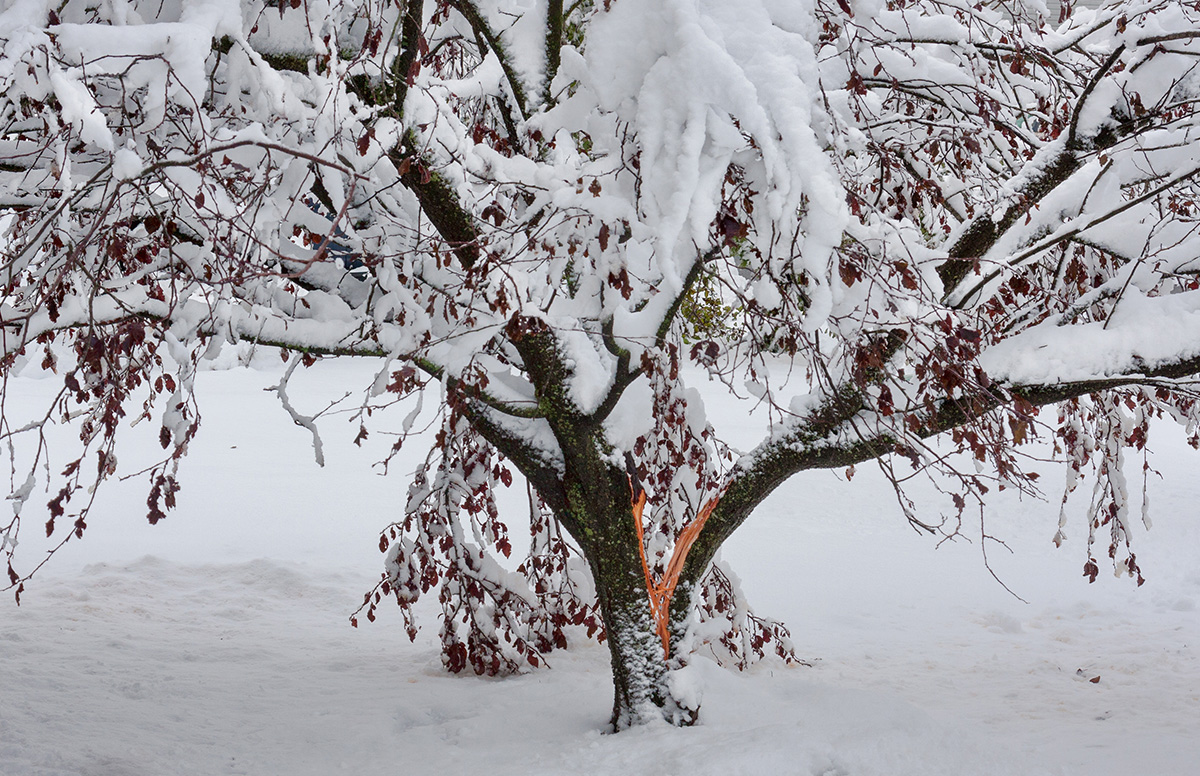
Removing dead or cracked branches in winter reduces breakage during heavy, wet snow and late season windstorms. That protects roofs, cars, walkways, and people.
What to prune in winter
Dead, diseased, and damaged wood
This is always the first priority. Remove dead tips, broken stubs, cracked limbs, and branches with obvious decay. Deadwood is brittle and fails easily in wind.
Crossing and rubbing branches
Where two branches touch, bark wears off and creates a wound. Remove the weaker or poorly placed branch to prevent long term problems.
Competing leaders and tight V unions
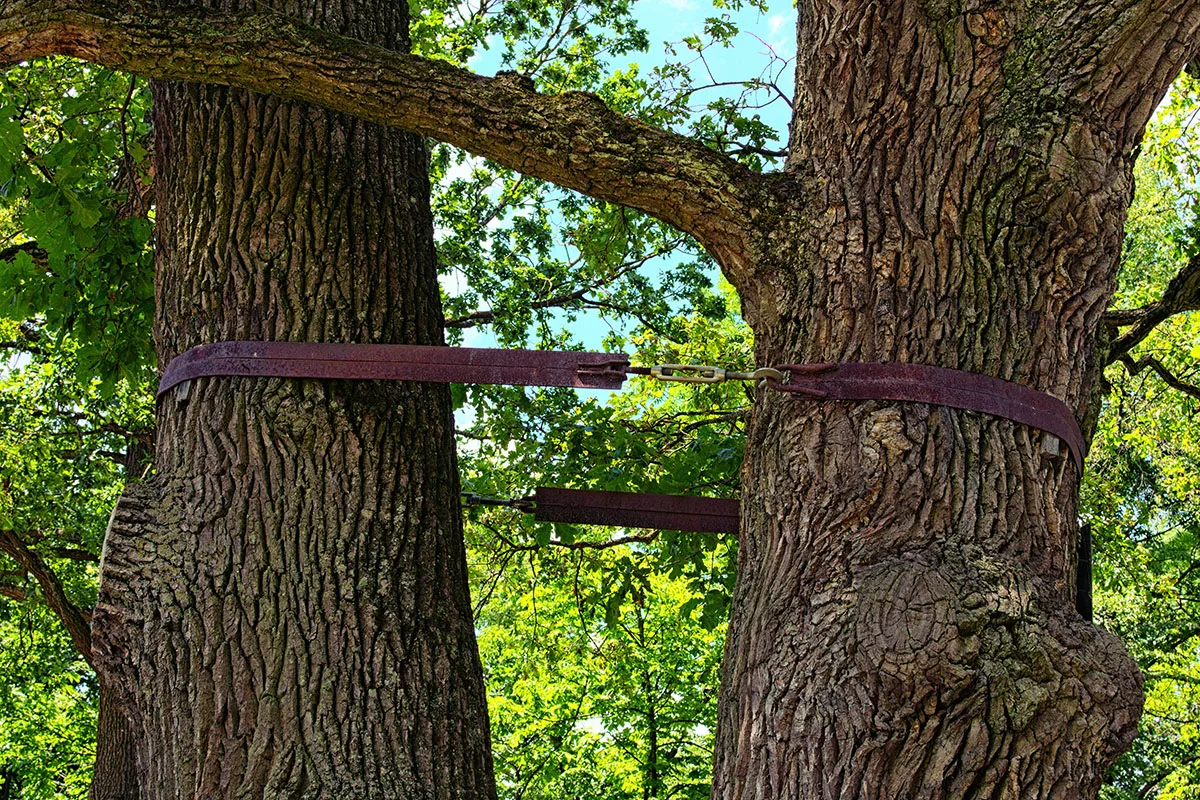
On young trees, pick a single dominant leader. Remove or reduce the competing stem before it becomes a major structural defect. In larger trees with included bark, plan for structural reduction or future cabling with an arborist.
Selective thinning for airflow
Thin crowded interior growth to improve light and air movement without leaving the crown sparse. Target small interior branches that are redundant or poorly attached.
Crown cleaning near targets
Over roofs, driveways, and paths, shorten overextended tips by cutting to strong lateral branches. This lowers leverage and reduces storm risk while keeping a natural outline.
Species notes and timing
Maples and birches
These bleed heavily in late winter as sap rises. You can prune lightly in mid winter or wait until late spring after leaf out for larger cuts. When in doubt, keep winter cuts conservative on these species.
Oaks
To reduce the risk of oak wilt spread, avoid pruning during warm months when beetles are active. In our climate, mid winter is a safe window. Make clean cuts and avoid wounding the trunk.
Elms
Dutch elm disease management often includes strict timing. Winter pruning can help by removing deadwood and symptomatic branches while vectors are inactive. Follow local guidance and consider professional help.
Fruit trees
Winter is the classic time to shape apples, pears, and stone fruits. Focus on an open, balanced framework that lets light reach fruiting wood. Avoid cutting off all short spurs that produce next year’s fruit.
Evergreens
Light pruning is fine in winter, but heavy reductions are better in late spring once new candles set. For hedged evergreens, keep winter cuts minor and plan shaping for the growing season.
How to make proper cuts
Cut just outside the branch collar
The swollen area where a branch meets a larger limb is designed to seal wounds. Cut just outside the collar. Do not leave long stubs and do not cut flush into the trunk.
Use the three cut method for heavy limbs
First, make an undercut a short distance from the collar. Second, make a top cut slightly farther out to remove the weight. Third, make a final clean cut at the collar. This prevents bark from tearing down the trunk.
Limit live crown removal
On mature trees, keep total live foliage removal to about 15 to 20 percent per season. Heavy cuts create stress and can lead to weak, fast sprouting in spring.
Sharpen and sanitize tools
Sharp blades make clean cuts that heal faster. Wipe pruners and saws with alcohol between trees, especially if you suspect disease.
Structural pruning for young trees
The first five years after planting are the best time to set strong structure that lasts a lifetime. Winter is perfect for this work.
-
Establish a single central leader where appropriate
-
Choose well spaced scaffold branches with wide angles
-
Remove or shorten competing limbs early, while cuts are small
-
Raise the crown gradually to set long term clearance over walks and driveways
A few thoughtful cuts on a young tree prevent costly corrections later.
Safety and practicality in winter
Stable footing
Ice and snow create hazards. Clear work areas and spread traction material where needed. Avoid ladder work on slippery ground.
Cold management
Work in short sessions and keep hands warm to maintain tool control. If wind chill is severe, reschedule.
Power lines
Never prune near energized lines. Call the utility or a qualified arborist trained for utility proximity.
Large or complex work
If a limb requires rigging, if the tree has cracks near the trunk, or if decay is visible at the base, call a certified arborist. Experienced crews manage weight, direction, and site protection.
Bylaws and documentation in Toronto
Toronto’s Private Tree By-law protects many trees on residential lots. Pruning is generally allowed, but removals and heavy reductions may require permits. If the tree is on a ravine property or is a designated heritage tree, special rules apply. Take photos before and after work and keep notes on what was pruned. Good records help with insurance and future care.
Common mistakes to avoid
Topping
Cutting the top off a tree creates weak sprouts and long term decay. Use reduction cuts to strong laterals to lower height or spread without topping.
Flush cuts and stubs
Flush cuts remove the collar and slow healing. Stubs invite decay and break easily. Aim for a clean collar cut every time.
Over thinning
A thin canopy whips in wind and loses energy. Selective thinning is helpful, but stop when you see large gaps or too much light through the crown.
Pruning during a deep freeze
Extreme cold can make wood brittle. Try to choose milder winter days for better results and safer handling.
Ignoring the root zone
Pruning is only part of tree health. Combine winter cuts with a plan for soil aeration, mulch refresh, and spring watering.
Planning your winter pruning schedule
-
Walk the property and list safety issues first
-
Flag deadwood and cracked limbs near roofs, walks, and play areas
-
Identify structural corrections for young trees
-
Note species that need special timing, such as oaks and maples
-
Book an arborist visit for high or heavy work, or where disease is suspected
-
Plan a spring follow up to review response and adjust care
The payoff in spring
Trees that are pruned well in winter respond with balanced, vigorous growth. You see fuller canopies, fewer broken limbs in storms, and better clearance over the spaces you use every day. Flowering and fruiting trees benefit from improved light and airflow. Young trees set a strong framework that saves money for years. Most important, you reduce risk across your property before windy and wet weather arrives.
Want winter pruning that sets your trees up for a strong spring
Loyal Tree’s ISA certified arborists provide careful dormant pruning, risk reduction, and structural training across Toronto and the GTA. We plan cuts species by species, follow industry standards, and protect your property from start to finish. Call 647 283 8556 or schedule your winter pruning assessment online today.