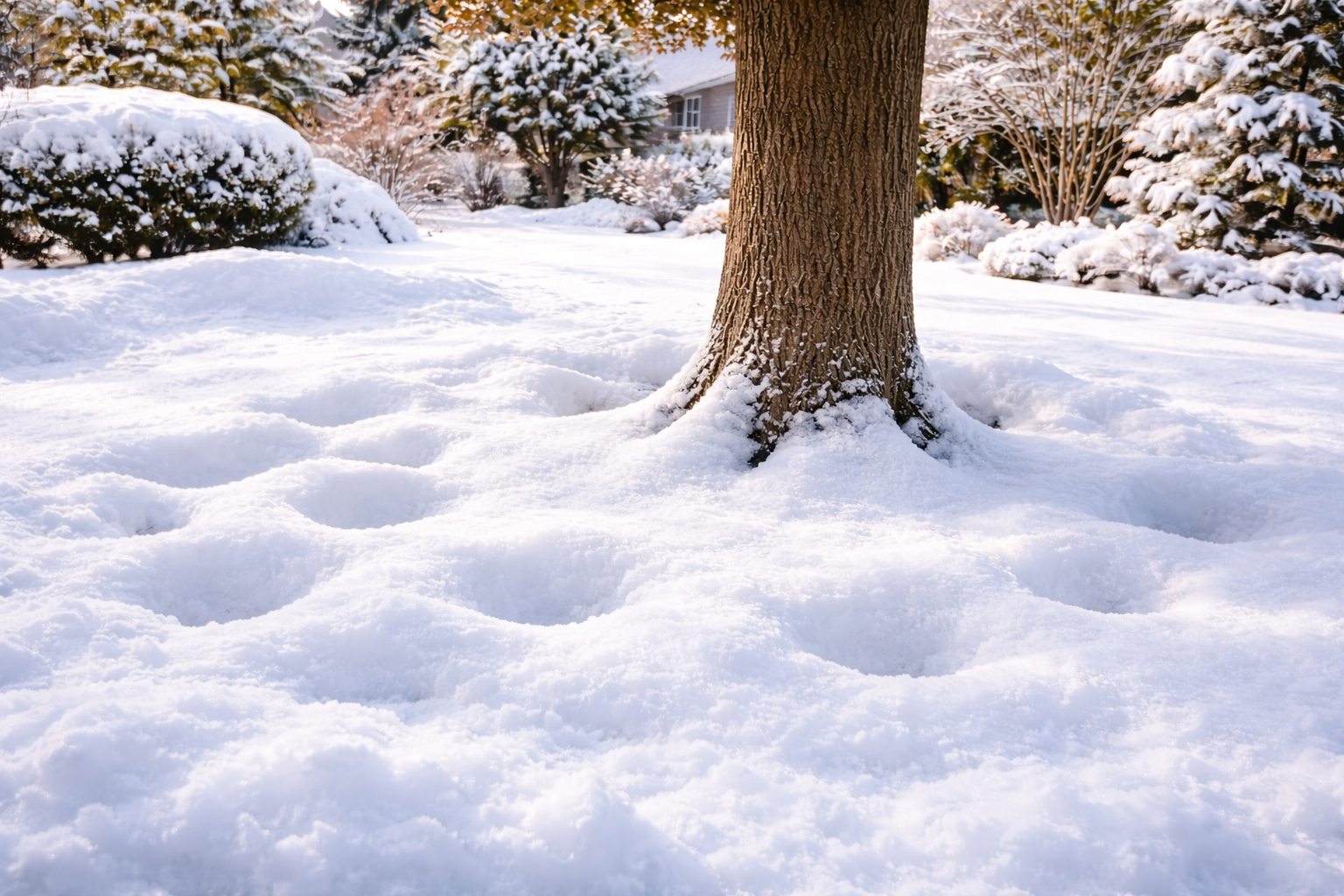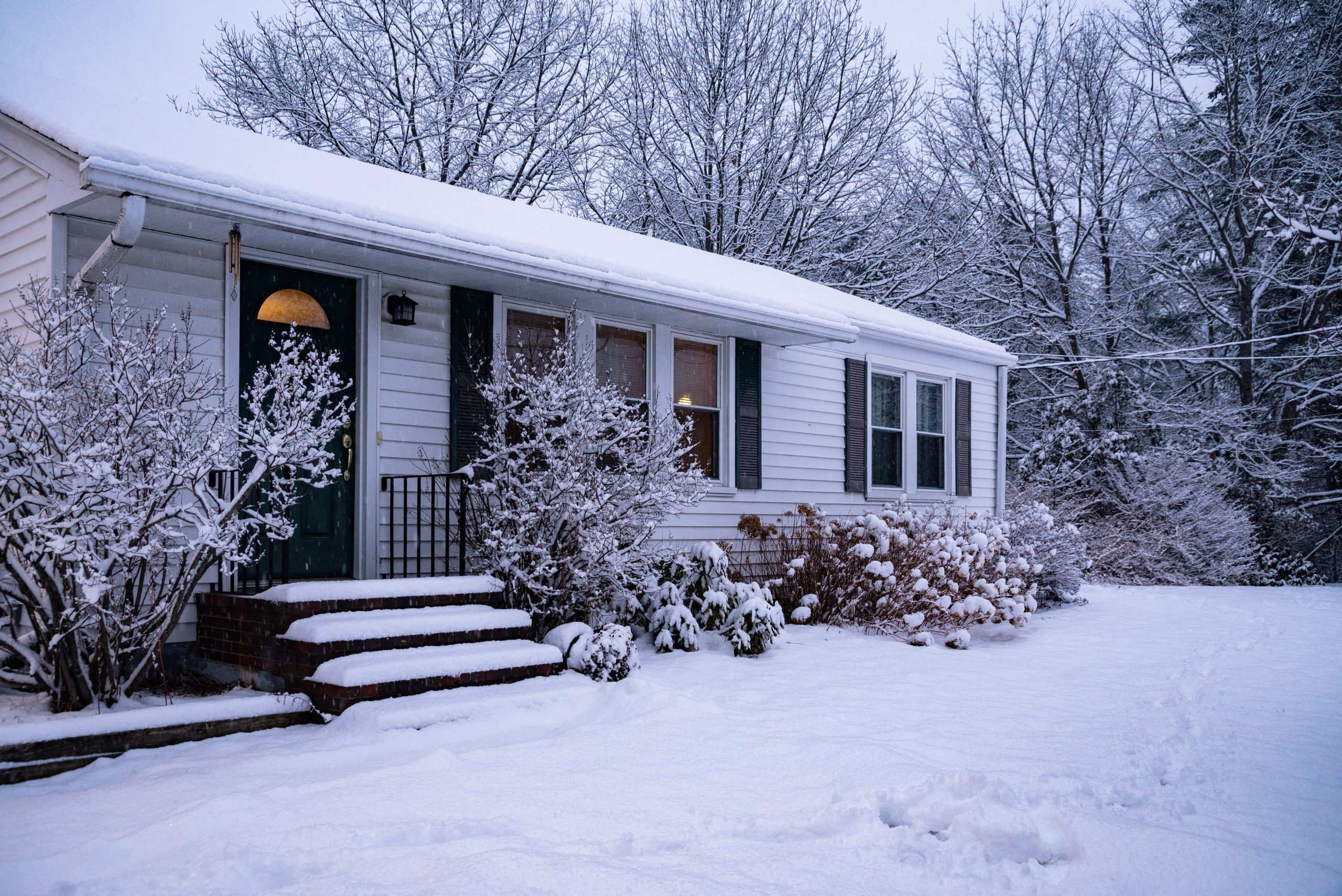

Winter feels quiet in the yard, but below the surface, a lot is happening. In Toronto, repeated freeze and thaw cycles, heavy snow storage, and constant foot traffic can compress soil around trees. This winter compaction limits oxygen, slows water infiltration, and stresses roots long before spring buds open. The result often shows up months later as weak growth, thin foliage, and increased susceptibility to pests and disease.
This guide explains what winter compaction is, why it harms trees, the warning signs to look for, and how to repair the root zone so your trees rebound in spring.
What winter compaction really means
Soil is not a solid block. Healthy soil contains a mix of particles and pores. Those pore spaces hold air and water, both essential for root function. Compaction occurs when pressure squeezes pore spaces out of the soil. In winter, that pressure comes from:
-
Repeated walking over frozen turf that softens during thaws
-
Snow piles created by shoveling or plowing
-
Vehicles or equipment crossing the yard during renovations
-
Ice crusts that form after rain or melt and then refreeze
-
Snowblowers and heavy mowers stored or moved through the same routes
Even though soil is frozen at the surface, thaws often soften the top layers. When you step or drive over these areas, you compress the soil into a dense layer that persists into spring.
Why compacted soil is a problem for roots
1) Less oxygen, weaker roots
Roots need oxygen to function. In compacted soil, oxygen cannot move freely. Fine feeder roots suffocate first. These are the roots that absorb most water and nutrients. When feeder roots decline, trees struggle to hydrate even when soil looks damp.
2) Water infiltration drops
Compaction causes water to run across the surface rather than soaking in. In late winter thaws, this means pooling around the trunk or along the foundation, then refreezing as ice. In spring, it means the tree misses out on deep watering when growth begins.
3) Nutrient uptake slows
When soil biology is restricted, beneficial microbes decline. That matters because microbes help convert organic matter into forms trees can use. Compacted soil often leads to nutrient deficiencies that show up as pale foliage or small leaves.
4) Root growth becomes shallow
Roots follow the path of least resistance. When deeper soil is dense, roots spread near the surface where conditions are easier. Shallow roots dry faster in summer and anchor poorly in storms.
5) Increased risk from pests and disease
Stressed trees produce fewer defensive compounds. Compaction stress makes trees more attractive to borers, scale insects, and fungal pathogens. It also reduces the tree’s ability to compartmentalize wounds from pruning or storm breakage.
Signs your trees may be suffering from winter compaction
Some symptoms appear immediately. Others show up in spring and early summer.
Right after winter
-
Water puddles near the trunk during thaws
-
Ice sheets form repeatedly in the same area
-
Soil feels hard and resists a shovel or screwdriver
-
Grass under the canopy becomes sparse or muddy when thawed
In spring
-
Buds open late compared with similar trees nearby
-
Leaves are smaller than normal or canopy looks thin
-
Tips of branches die back
-
New growth is short and weak
-
Moss grows in turf where drainage is poor
A simple test is the screwdriver test. If you cannot push a screwdriver 10 to 15 centimetres into moist soil with moderate pressure, compaction is likely.
Which trees and sites are most vulnerable
-
Trees planted in lawn that receives winter foot traffic
-
Boulevard trees near snow banks and salt storage
-
Young trees with small root systems
-
Trees growing in clay soils common across parts of the GTA
-
Trees near renovation zones or driveways where snow is piled
-
Trees in low spots where meltwater collects
Compaction also hits evergreens hard because they continue to lose moisture in winter. If their roots cannot absorb water during mild spells, they are more likely to show winter burn.
What you can do in winter to reduce compaction
Even small changes help.
Choose a snow storage zone
Pick one area for snow piles that is away from trunks and away from the dripline where possible. Spread piles instead of stacking them high. Avoid burying shrubs for long periods.
Create a path
If you must cross the yard, walk the same route and use stepping stones or boards during thaw periods. Concentrating traffic reduces total compaction.
Avoid equipment on thawed ground
Do not drive or roll heavy bins across lawns during warm spells. Wait for refreeze or use a hard surface route.
Keep salt away from root zones
Salt pushes trees into deeper stress. Use sand or gentler de-icers near beds and store salted snow away from trees.
How to fix winter compaction in spring
Once soil thaws, you can repair the root zone and restore oxygen.
Core aeration with compost topdressing
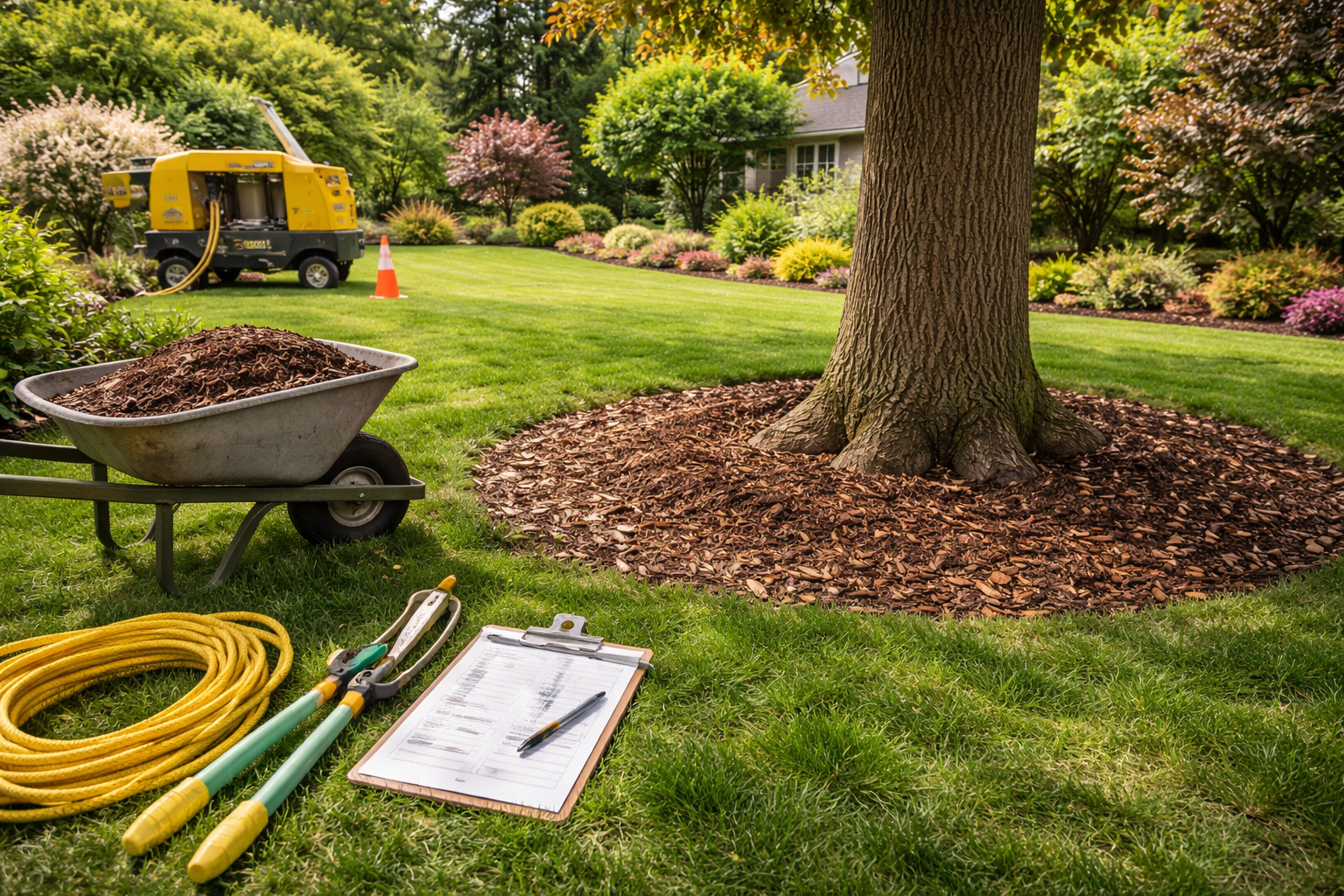
For trees surrounded by turf, core aeration is a good first step. Aerate in two directions under the dripline, then spread a light layer of screened compost so it falls into the holes. This improves infiltration and feeds soil life.
Vertical mulching and pneumatic aeration
For severe compaction or clay soils, vertical mulching is more effective. A professional uses an air spade to create deep shafts without cutting roots, then backfills with compost. This method delivers oxygen and organic matter directly where roots need it.
Mulch ring expansion
Create a wider mulch ring around trees. Even a one-metre radius reduces foot traffic and mower compaction. Maintain a 5 to 8 centimetre layer of wood chips and keep it pulled back from the trunk flare.
Deep watering reset
After aeration, water deeply to help the soil settle and encourage feeder root growth. Use a soaker hose around the dripline for 60 to 90 minutes once or twice per week depending on rainfall.
Avoid heavy fertilizer as a shortcut
Fertilizer does not fix compaction. In fact, pushing top growth while roots are struggling can worsen stress. Focus on soil structure first. If needed, use a soil test and choose slow-release products.
When to call an arborist
Bring in a certified arborist if:
-
The tree shows significant canopy thinning or dieback
-
Soil is extremely hard and stays wet in spring
-
You see fungal conks or decay at the base
-
A tree leans more after winter or the ground heaves around it
-
You need vertical mulching, root collar excavation, or a full health assessment
Professional tools like pneumatic aeration and careful root zone evaluation produce faster recovery and lower risk of root damage.
Winter compaction is easy to overlook because the damage happens quietly under snow. But compacted soil sets off a chain reaction: less oxygen, poor infiltration, weak roots, and stressed trees. By managing foot traffic and snow storage in winter and repairing the soil with aeration, compost, mulch, and deep watering in spring, you can protect your trees and keep them vigorous year after year.
Need help restoring compacted soil around your trees
Loyal Tree’s ISA-certified arborists provide soil assessments, pneumatic aeration, vertical mulching, mulch ring planning, and spring recovery care across Toronto and the GTA. Call 647-283-8556 or visit loyaltree.ca to book your soil rehab visit and help your trees breathe again.