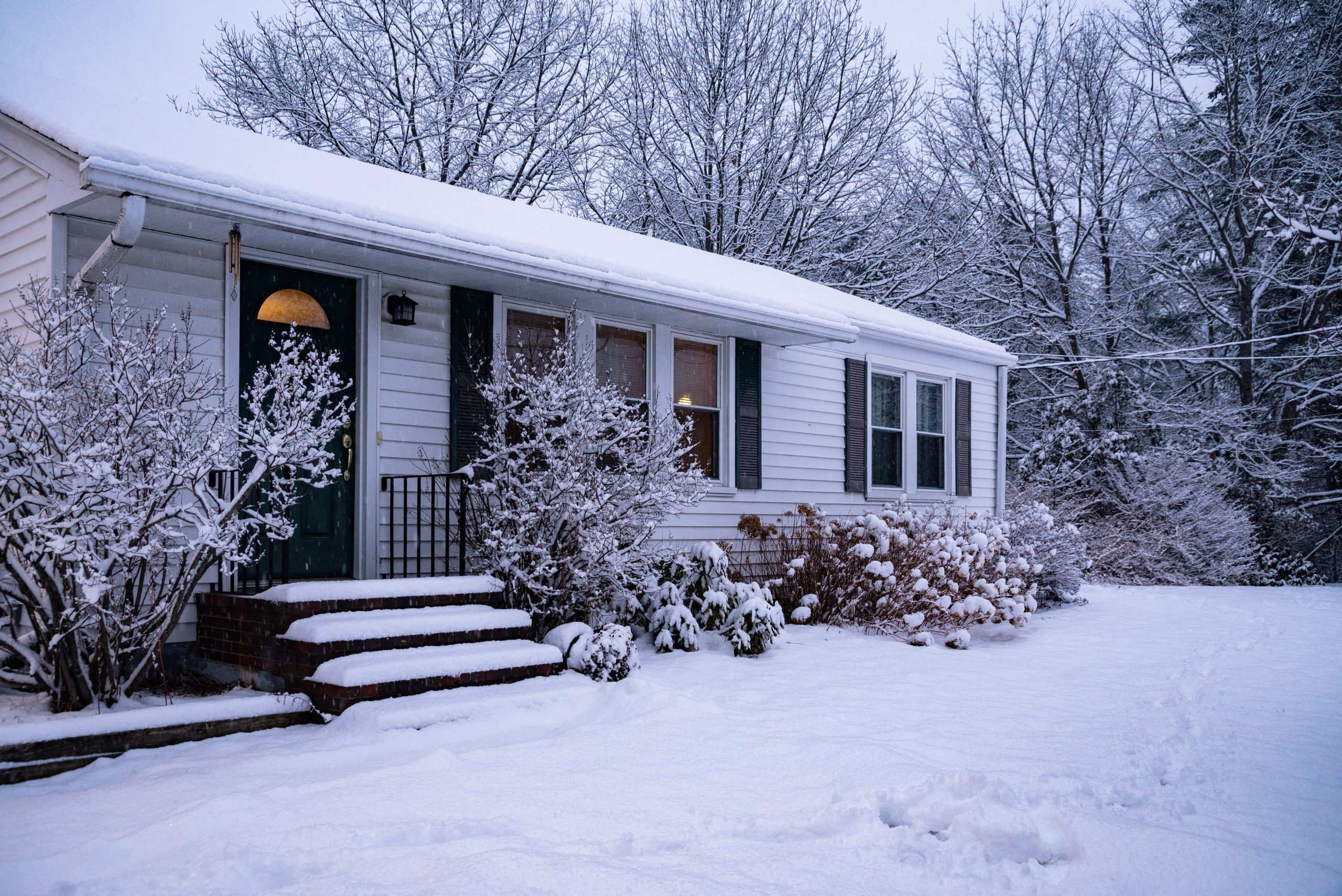

Arborist ReportsSpring in Toronto brings a fresh start for your yard. Snow melts, soil softens, and trees begin to wake up. It is also the season when small issues become visible and when the right maintenance can prevent expensive problems later in the year. A thoughtful spring plan protects your trees, improves curb appeal, and keeps your landscape healthy through the full growing season.
Below is practical arborist guidance to help you prepare your property for spring, with a focus on tree health, safety, and long-term performance.
1) Start with a post-winter walk-around
Before you book any work, do a simple inspection on a mild day.
-
Look up first. Scan for hanging branches, cracked limbs, and broken tips that may have been damaged by wind, ice, or heavy snow.
-
Check targets. Pay attention to branches over roofs, driveways, walkways, play areas, and fences.
-
Look at the trunk. Watch for long vertical splits, peeling bark, or sunken patches that may suggest frost cracks or sunscald.
-
Check the base. Look for mushrooms or shelf fungi near the trunk, soft wood, or heaving soil that could indicate root movement.
Take photos and note which trees need professional attention. This makes your spring service visit more efficient and ensures you prioritize safety first.
2) Prune with purpose, not just for shape
Spring pruning is not about cutting everything back. It is about removing risk and guiding healthy growth.
What to remove first
-
Dead, broken, or diseased branches
-
Rubbing branches that create wounds
-
Weak, poorly attached limbs that hang over key areas
-
Suckers and water sprouts that grew after stress
Timing matters
-
Dormant pruning in late winter or early spring is ideal for many species because structure is easy to see.
-
Spring flowering trees and shrubs should be pruned after they bloom if you want to preserve next year’s flowers.
-
Avoid heavy pruning during early spring sap flow on maples and birches unless it is necessary for safety.
A certified arborist can balance the canopy, reduce wind sail, and make clean structural cuts that reduce storm risk later in the season.
3) Reset watering for spring growth
Watering is one of the most overlooked parts of spring preparation. Trees often enter spring drier than homeowners expect, especially evergreens.
A simple spring watering approach
-
Start deep watering once the ground thaws and drains properly.
-
Water at the dripline, not against the trunk.
-
Aim to moisten soil to about 15 to 20 centimetres deep.
-
Use a soaker hose for 60 to 90 minutes, then check with a screwdriver test.
Newly planted trees from the last two or three years should be prioritized. A consistent schedule early in the season supports root growth, reduces stress, and helps trees leaf out evenly.
4) Repair compacted soil and restore oxygen
Winter traffic, snow storage, and freeze-thaw cycles often compact soil. Compaction blocks oxygen and limits water infiltration, which weakens feeder roots.
Signs of compacted soil
-
Puddles that form during spring melt
-
Hard ground under the canopy that resists a screwdriver
-
Thin turf or moss in shaded areas
-
Slow growth and small leaves year after year
Spring solutions
-
Core aeration in lawn areas under the canopy, followed by a light compost topdress
-
Vertical mulching using deep shafts filled with compost to improve soil structure
-
Expanding mulch rings to reduce foot traffic and mower damage
Restoring air and organic matter to the root zone is one of the best long-term investments you can make for mature trees.
5) Refresh mulch the right way
Mulch is not just for looks. It moderates soil temperature, reduces evaporation, and feeds soil life as it breaks down.
Best practices
-
Apply 5 to 8 centimetres of coarse wood chips.
-
Keep mulch 8 centimetres away from the trunk flare.
-
Extend mulch as wide as possible under the canopy, especially for stressed trees.
Avoid mulch volcanoes. Piling mulch against the trunk traps moisture, encourages decay, and can lead to girdling roots.
6) Inspect for pests and early disease
Spring is the best time to catch problems early. Many pests and fungal issues become easier to manage when addressed at the start of the season.
What to look for
-
Sticky residue on leaves or surfaces under a tree, which can signal aphids or scale
-
Early leaf spotting or unusual discoloration
-
Sawdust piles at the base of ash trees or small exit holes in bark
-
Dieback at branch tips
Professional arborists can diagnose what you are seeing and recommend targeted solutions that protect beneficial insects and minimize chemical use.
7) Check trees near your home and utilities
In spring, you may notice limbs that feel too close for comfort.
-
Branches touching roofs and eavestroughs can accelerate roof wear and block drainage.
-
Limbs near power lines are a serious hazard and should only be handled by qualified professionals.
-
Trees overhanging neighbours’ yards can lead to disputes if maintenance is delayed.
A spring clearance pruning visit reduces risk before summer storms and helps you avoid emergency calls.
8) Plan removal and stump work before summer projects
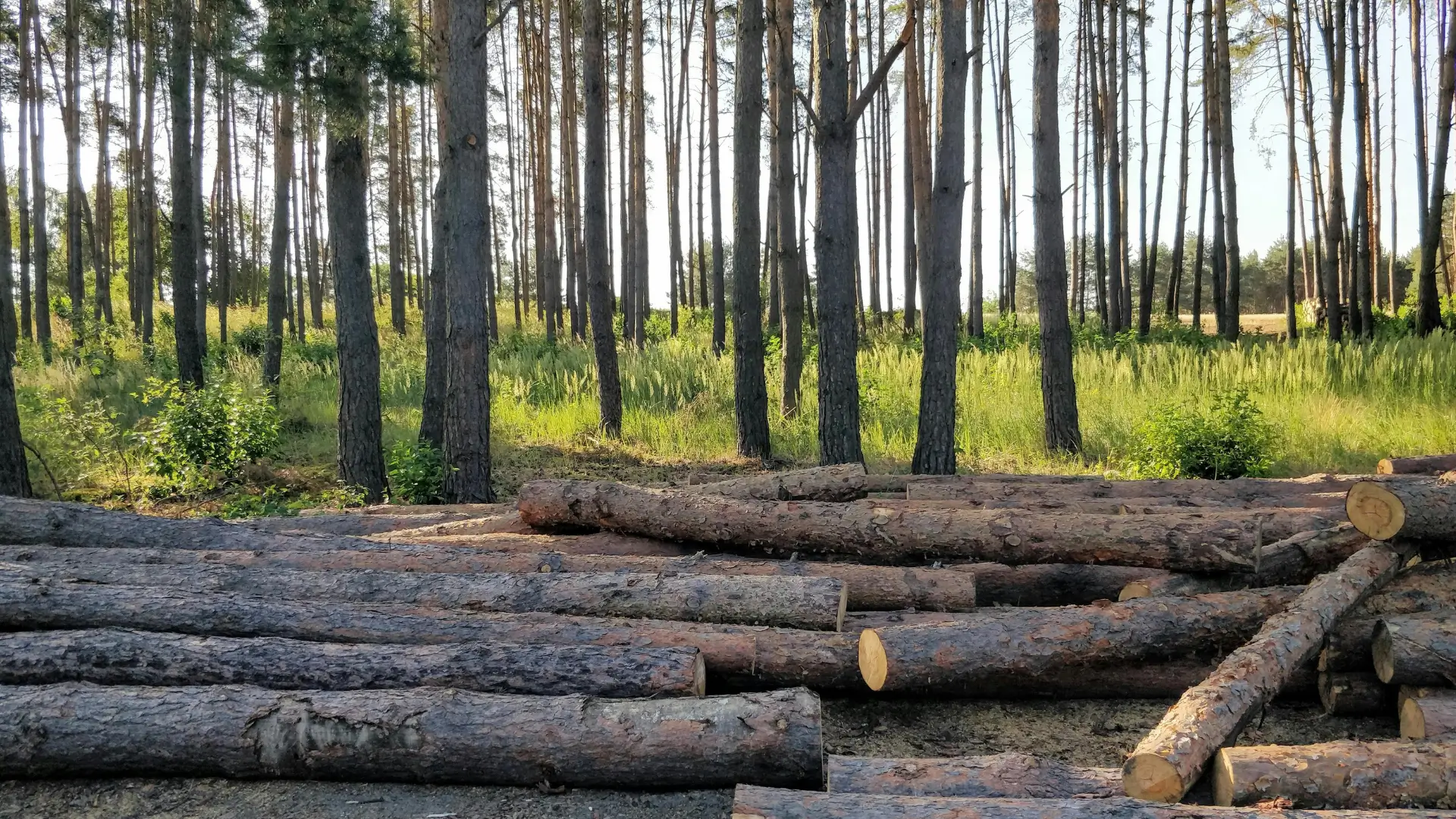
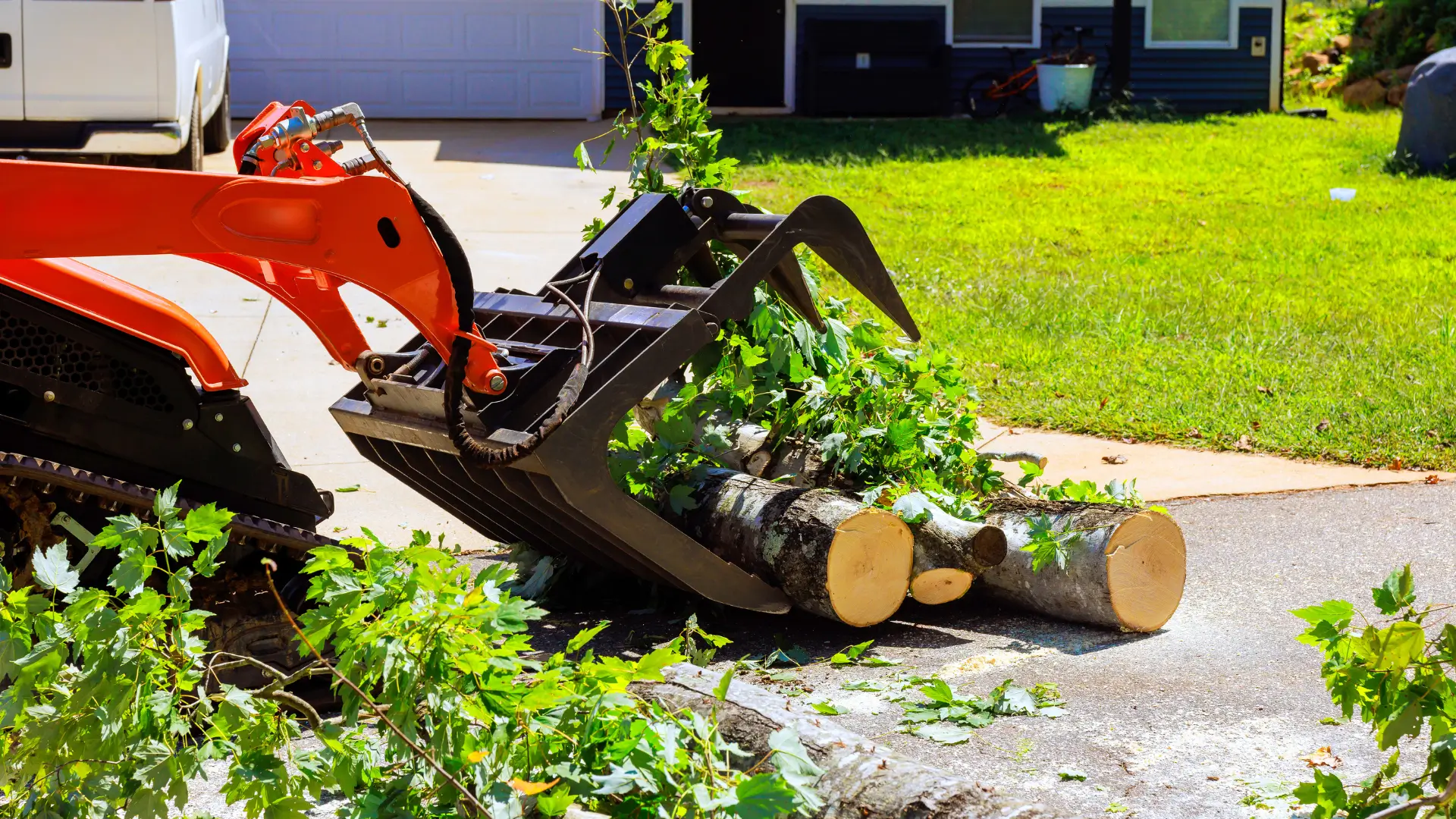
If a tree is dead, structurally unsafe, or poorly located, spring is a smart time to plan removal. It is also a good time to grind stumps.
Why spring scheduling helps
-
Softer soil makes stump grinding and leveling easier.
-
You can re-sod or seed before peak summer heat.
-
You avoid the busy storm season when emergency work fills calendars.
An arborist can also advise on replacement trees that match your yard’s space, sunlight, and long-term goals.
9) Think ahead to storm season
Toronto summers bring thunderstorms and strong winds. Spring is when you want to reduce risk.
-
Remove deadwood and cracked limbs early.
-
Reduce weight on long horizontal branches over targets.
-
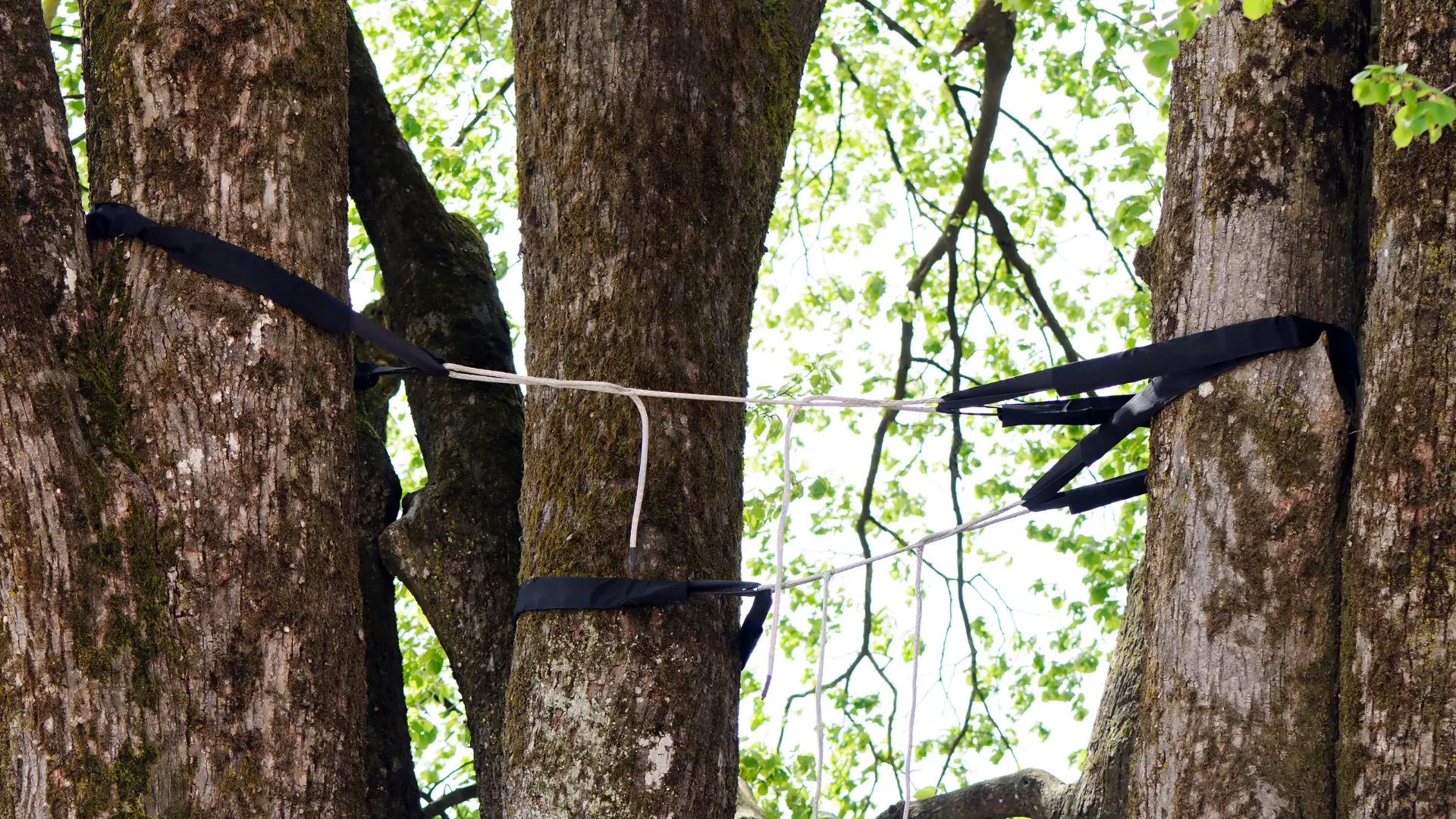
Consider cabling and bracing for co-dominant stems or weak unions.
If you have a mature, high-value tree, a spring structural assessment is a smart step that can extend its life and reduce property risk.
A simple spring checklist
-
Walk your yard and document winter damage.
-
Schedule pruning for deadwood, clearance, and structure.
-
Reset watering with deep, dripline-focused sessions.
-
Repair soil compaction and refresh mulch.
-
Inspect early for pests and disease.
-
Plan removals and stump grinding for any problem trees.
-
Prepare for storms with proactive pruning and support systems.
Keep your landscape thriving with expert help
Spring tree care is about prevention, not reaction. When you handle pruning, soil health, watering, and inspection early, your yard looks better and performs better all season.
Toronto’s trusted arborists are here to help. Loyal Tree is committed to keeping your trees healthy, beautiful, and safe through expert care, maintenance, and preservation services. Call 647-283-8556 or visit loyaltree.ca to schedule a spring assessment and start the season with a clear plan.