
Toronto’s mix of mature maples, lindens, oaks, and ornamentals is a big part of the city’s curb appeal. With age and weather, some trees develop structural weaknesses that increase the chance of limb failure. Tree cabling and bracing is a proven method to support weak unions and long heavy limbs so your trees can remain safe and healthy for years.
Below is a clear guide to what cabling and bracing is, when it is recommended, how it works, and what Toronto homeowners should expect.
What is tree cabling and bracing
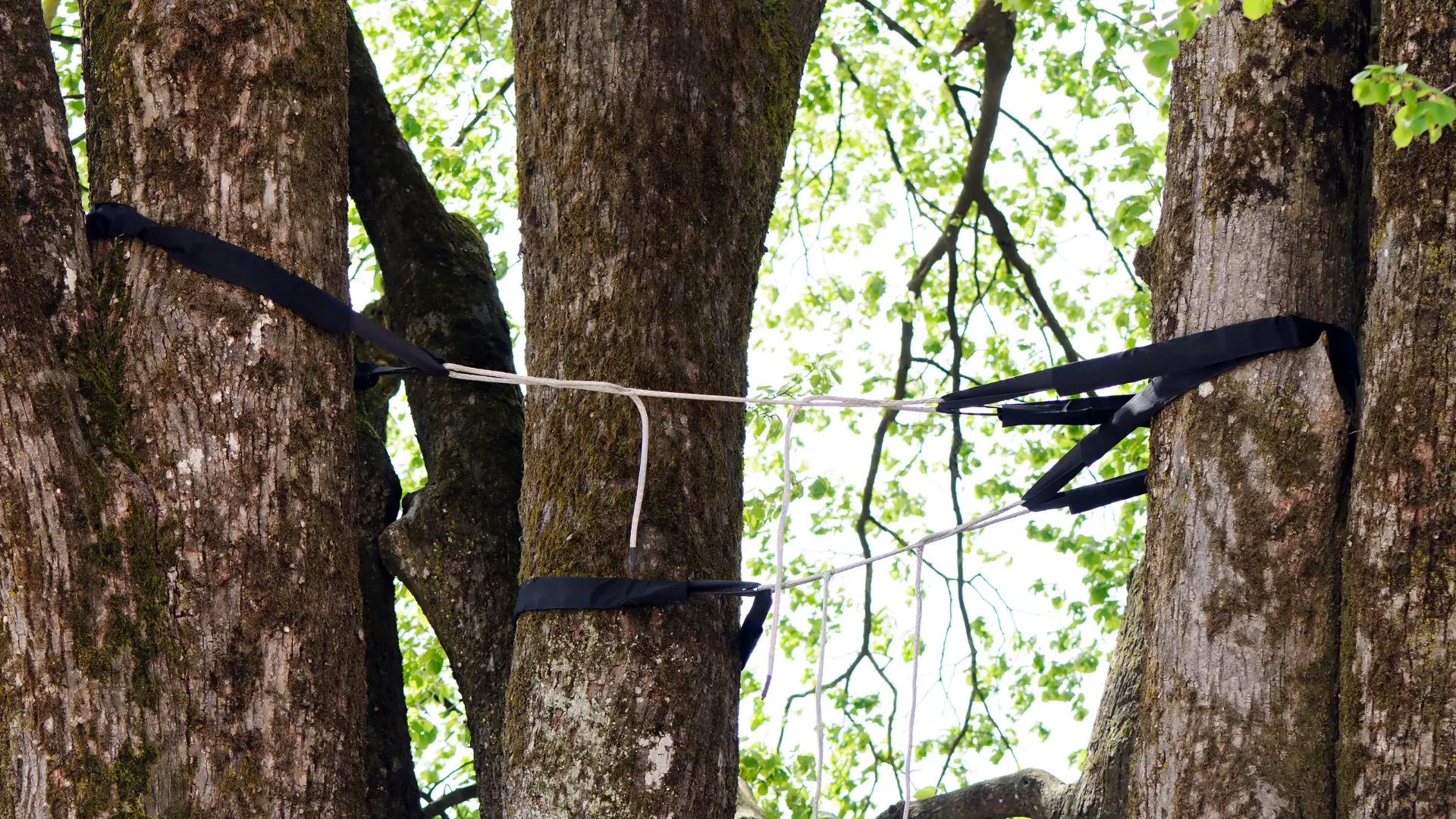
Cabling uses high strength steel cables installed high in the canopy to share loads between stems or to support long lateral limbs.
Bracing uses threaded steel rods placed through a weak or cracked union to hold stems together and prevent further separation.
These systems do not replace good pruning or proper tree care. They work best as part of a full plan that includes risk pruning, soil care, and routine inspections.
When your tree may need support
-
Co dominant stems that form a tight V with included bark
-
Long heavy limbs extending over roofs, driveways, or play areas
-
Old storm damage that left a weakened union
-
Visible cracks at a branch junction
-
Historic or specimen trees that you want to preserve rather than remove
A certified arborist should inspect the tree first. In some cases removal is still the safest option. Where structure is sound enough to keep, cabling and bracing can reduce risk.
Benefits of cabling and bracing
-
Lower failure risk during high winds and heavy wet snow
-
Extended life for valued trees that add shade and property value
-
Targeted support that avoids heavy pruning and preserves the natural form
-
Protection of people and property under common targets such as roofs and walkways
How Loyal Tree installs support systems
-
Assessment and plan
An ISA certified arborist evaluates species, age, defects, crown balance, and targets beneath the canopy. We confirm that support will reduce risk and outline pruning that should happen first. -
Risk pruning
Dead, broken, and rubbing branches are removed to reduce weight and wind sail. Selective thinning may be completed to improve airflow. -
Hardware selection
Most residential jobs use extra high strength galvanized steel cables, drop forged eye bolts, lag hooks where allowed, and braided dead end grips. For bracing, we use threaded steel rods with washers and nuts sized to the diameter of the stems. -
Installation height and layout
Cables are usually installed in the upper third of the crown and at least two thirds of the distance from the weak union to the branch tips. This placement gives the best mechanical advantage. Bracing rods are set below the cable to lock the union. -
Tensioning and finish
Cables are tensioned to firm, not rigid. Trees must still move naturally in wind. All drill holes are sized correctly and hardware is seated to manufacturer guidance. No pruning paint is used. -
Documentation and schedule
We mark installation points, record hardware specs, and set a routine inspection schedule. Annual visual checks and a closer inspection every three to five years are typical.
Cabling and bracing materials
-
Extra high strength seven strand steel cable
-
Eye bolts or lag hooks sized to wood diameter and species
-
Through bolts and threaded steel rods for bracing
-
Wire rope clips or dead end grips for secure terminations
-
Protective hose where cables contact live wood when required
Hardware is rated for tree loads and outdoor use. We do not use light duty hardware or non rated components.
How long do systems last
Cables and rods can last a decade or more with proper installation and maintenance. Trees grow around hardware, so periodic adjustments or replacements are part of responsible care. Storms can change loads, which is why annual inspections are important.
Cabling, bracing, and pruning work together
Support hardware is not a cure on its own. Pruning reduces leverage and keeps the crown balanced. Soil improvements, vertical mulching, and deep watering during dry spells help roots anchor the tree. Together, these steps lower risk more than any single measure.
Toronto bylaws and safety
Work on larger trees may fall under the City of Toronto Private Tree By law. Cabling and bracing typically do not require a permit, but removals and heavy pruning can. If your tree is protected or on a ravine property, an arborist can advise on what is needed. Never attempt to install support near energized lines. Only qualified crews should work in utility corridors.
What affects cost
-
Number of stems or limbs being supported
-
Height and accessibility for climbing or a lift
-
Size of hardware and cable length
-
Pruning and cleanup required before or after installation
-
Follow up inspections and any adjustments
Loyal Tree provides itemized quotes so you can see hardware, labour, and pruning costs clearly.
Common questions
Will cabling hurt my tree
Properly sized holes and hardware do not harm healthy wood. Trees compartmentalize around drill sites. Poorly installed hardware can cause damage, which is why certified installation is important.
Can a cracked union be saved
Often yes, if wood is sound and decay is minimal. We brace the union with rods and reduce weight through pruning. In advanced decay, removal may be safer.
Do cables stop all failure
No support system guarantees zero failure. Cables and rods reduce the likelihood of breakage and can change failure mode to be less severe. Routine inspection remains essential.
Will the hardware be visible
Cables are placed high and are usually hard to see from the ground. Bracing washers and nuts near a union are more visible but are small and weather to a neutral tone.
How soon can you install
Most systems can be installed in a single visit after assessment, pruning, and utility checks if needed.
Signs you should schedule an inspection
-
A forked trunk with a tight V shape
-
The canopy leans or sways more than usual
-
Cracks at branch unions or a history of storm breaks
-
Long limbs over driveways or roofs that are heavy at the tips
-
A heritage or specimen tree that you want to preserve
The payoff
Cabling and bracing let you keep valued trees while reducing the chance of limb or stem failure. You protect your home, improve safety, and maintain the shade and beauty that mature trees provide.
Want an expert opinion on whether your tree needs support
Loyal Tree’s ISA certified arborists inspect, prune, and install high quality cabling and bracing systems across Toronto and the GTA. We follow industry standards and provide clear maintenance plans. Call 647 283 8556 or visit our contact page to book your assessment. Let us help your trees stay strong and safe through every season.