

Happy Holidays from Loyal Tree
A new year is a great time to set up your trees for a healthy, low-stress spring. Toronto winters can be tough, but the work you plan in January and February pays off when soil thaws and buds swell. Here is a clear, homeowner-friendly roadmap for spring tree care in 2026 that protects your property, boosts curb appeal, and keeps your landscape on schedule.
1) Start with a winter wrap-up check
Do a quick walk-around on a mild day. Look for hanging deadwood, cracked limbs, fresh trunk splits, or branches pushing against roofs and eavestroughs. Note evergreens with browning tips or windburn. Take photos. A simple list now helps you book the right services before spring rush.
What to note
-
Dead or broken branches over driveways and walks
-
Trees with a lean that looks new or worse than last year
-
Bark splits on the south or southwest trunk face
-
Heaved soil, exposed roots, or compacted areas near paths
-
Old stumps in the way of 2026 projects
2) Book late-winter pruning
Dormant pruning in February or early March is ideal for most species. With leaves off, structure is easy to read and disease pressure is lower. Focus on safety and long-term form.
Good targets for late winter
-
Dead, diseased, or cracked limbs
-
Crossing or rubbing branches that wound bark
-
Overextended tips above roofs or play spaces
-
Structural training on young trees to set a single leader and well-spaced scaffold branches
Keep live foliage removal conservative on mature trees. For maples and birches, large cuts can wait until late spring to reduce sap bleeding.
3) Plan soil rehab before growth takes off
Healthy roots are the engine of spring growth. Winter foot traffic and freeze-thaw cycles compact soil and starve roots of oxygen. Fix that early.
High-value steps
-
Vertical mulching in compacted zones using air tools and compost backfill to improve aeration and water movement
-
Core aeration where trees sit in turf, followed by a light compost topdress
-
Mulch refresh to 5 to 8 centimetres, pulled back 8 centimetres from the trunk flare
A well-timed soil tune-up in March sets up strong root expansion in April and May.
4) Reset watering for spring
As soon as frost leaves the ground, switch from winter holding patterns to deep, infrequent watering. The goal is moisture 15 to 20 centimetres below the surface.
Simple guide
-
Use a soaker hose around the dripline for 60 to 90 minutes as soils warm
-
Target about 25 millimetres of total moisture per week from rain and irrigation
-
Prioritize new plantings from 2024 and 2025 and any evergreens that showed winter burn
Add a basic rain gauge and a screwdriver test to avoid guesswork.
5) Fertilize with care
Skip blanket spring fertilizing. Use soil tests to decide what is needed. If numbers are low, choose a slow-release, balanced formula such as 12-4-8 and apply according to label. The aim is steady leaf function and root growth, not a burst of soft shoots.
Micronutrients matter in our soils. If leaves have a history of yellowing between veins, ask about iron or manganese supplements after testing.
6) Tackle stumps and tight spaces early
If you plan to re-sod, add garden beds, or pour a patio in 2026, schedule stump grinding before landscapes get busy.
Why early helps
-
Soil is workable before spring rain
-
Chip removal and topsoil backfill settle by the time you install sod
-
You lock in dates before contractors fill calendars
If you want to replant a tree, shift the planting hole at least 60 to 90 centimetres from the old stump and amend the area for better establishment.
7) Get ahead of pests and disease
Early detection saves trees and money. As buds swell, set reminders to check for common signs.
What to scout
-
Sawdust piles at the base or D-shaped exit holes on ash
-
Honeydew and black sooty mold on leaves as temperatures rise
-
Sudden flagging on elms or oaks
-
Mushrooms or shelf fungi at the root collar
If you spot any of these, book an inspection. Targeted treatments and sanitation pruning are most effective when started early.
8) Evaluate cabling and hardware
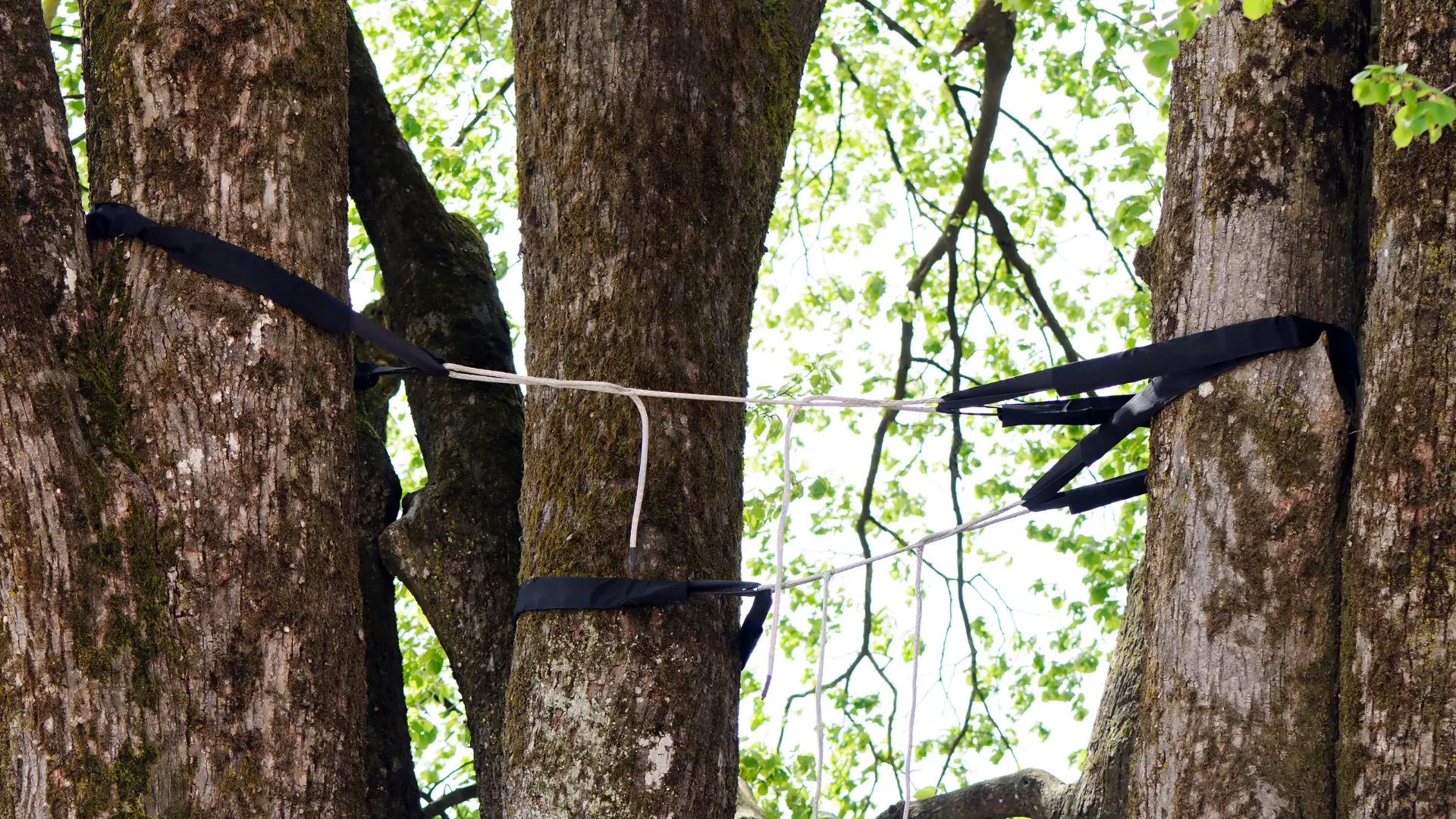
If your tree has support cables or rods, schedule a spring check. Winter loads and wind can shift hardware. A quick inspection and minor retensioning extend the system’s life and keep the canopy stable going into thunderstorm season.
9) Choose smart plantings for 2026
Spring is prime time to add shade, privacy, or seasonal color. Pick species that fit your space and tolerate urban conditions.
Ideas for common goals
-
Shade and energy savings: Kentucky coffeetree, swamp white oak, or elm cultivars with strong urban tolerance
-
Privacy: Serviceberry hedges for a softer screen or a mixed hedge combining evergreen and deciduous plants for year-round coverage
-
Pollinator support: Redbud, hawthorn, and native shrubs that flower in sequence
Plant at the right depth with the trunk flare visible, set a 5 to 8 centimetre mulch ring, and water deeply through the first two growing seasons.
10) Mind the bylaws and permits
Toronto’s Private Tree By-law protects many trees on residential lots. Routine pruning is usually fine, but removals and heavy reductions may require permits and an arborist report. If you are planning construction that could affect roots, get advice before you dig. Paperwork is easier in winter and early spring than in peak season.
11) Build a simple spring calendar
Turn plans into dates so nothing gets missed.
-
Early February: book pruning and any cabling inspections
-
Late February: schedule soil rehab, mulch refresh, and stump work
-
March: confirm utility locates if needed, prep planting sites
-
April: begin watering schedule, install new plantings, monitor pests
-
May: light structural tweaks on young trees and check mulch depth
A one-page checklist on your fridge keeps spring care moving without last-minute stress.
12) Avoid common spring mistakes
-
Mulch volcanoes that bury the trunk flare and invite decay
-
Shallow daily sprinkling that never reaches feeder roots
-
Heavy nitrogen that pushes soft growth attractive to pests
-
Planting too deep or tamping soil so hard that roots cannot breathe
-
Ignoring small hazards like a cracked limb over a walkway
Correct technique now prevents emergency calls when storms hit.
The payoff
A modest investment in pruning, soil health, watering, and early scouting delivers stronger growth, fewer failures in wind, and a cleaner, easier yard to enjoy. You also spread costs across the season instead of paying for last-minute fixes.
Ready to set your trees up for a strong spring and a great 2026
Loyal Tree’s ISA-certified arborists serve Toronto and the GTA with winter assessments, dormant pruning, soil aeration and vertical mulching, stump grinding, and spring planting support. We build clear plans, protect your property, and follow city guidelines. Call 647-283-8556 or visit loyaltree.ca to book your early-season visit. Let’s get your landscape ready for spring.