
November is one of the best months to remove unwanted or hazardous trees and shrubs in Toronto. Leaves are down, nesting activity is minimal, and temperatures are cool enough for crews to work efficiently. If you have a problem tree near a roofline, a large shrub blocking sightlines, or storm-damaged branches that worry you, planning removal before the deep freeze can save time, reduce risk, and set up your landscape for clean spring projects.
Why November Works So Well
Dormant canopies are lighter
Once leaves drop, branches weigh less and handle better on ropes and rigging. This reduces strain on equipment and helps crews lower limbs with precision around roofs, fences, and garden beds.
Better visibility and safer cuts
With foliage gone, arborists can see structure clearly. Deadwood, cracks, and weak unions are easier to identify, which leads to cleaner cuts and safer dismantling.
Fewer nesting concerns
November arrives after peak nesting seasons for birds and other wildlife. That means less risk of disturbing active nests, which is better for wildlife and simplifies scheduling.
Avoid the deep freeze
Completing removals before frozen ground and heavy snow means fewer weather delays and simpler cleanup. Stump grinding and backfilling are also easier while soil is workable.
When Removal Is the Right Choice
Not every tree or shrub needs to come down, but some situations call for it.
-
Severe storm damage or large dead sections that threaten targets
-
Significant lean that has increased over time
-
Root decay, fungal conks at the base, or hollow wood
-
Interference with foundations, driveways, or underground services
-
Repeated pest or disease issues that do not respond to treatment
-
Overgrown or poorly located shrubs that block windows, walkways, or traffic sightlines
A certified arborist can confirm whether pruning, cabling, or health care might solve the problem. If removal is the safest or most cost effective option, November is ideal.
The Removal Process You Can Expect
1. Site assessment and planning
An arborist inspects structure, lean, targets, and access. They review utilities, gates, slopes, and surface materials and confirm the work scope with you. If permits are needed under Toronto’s Private Tree By-law, your provider can guide the process.
2. Safety setup
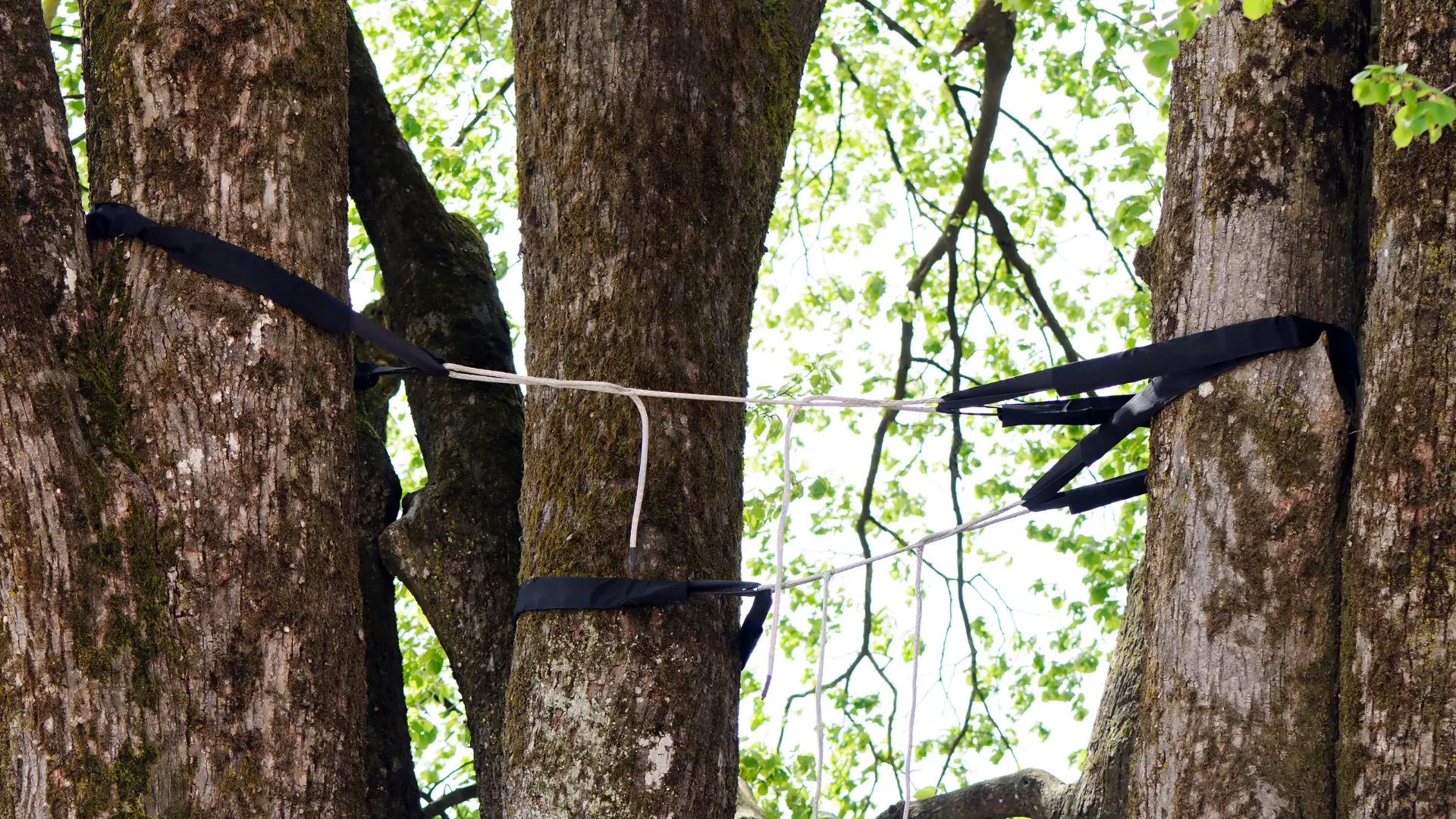
Crews set cones, ground protection mats, and drop zones. Where needed, ropes, blocks, and friction devices are installed for controlled lowering. For tight spaces or large trees, a small crane or aerial lift may be used.
3. Sectional dismantling
Branches are removed in a controlled order to manage weight and balance. Trunk sections are cut and lowered to the ground. Foliage-free canopies help crews move faster and place pieces accurately.
4. Cleanup and disposal
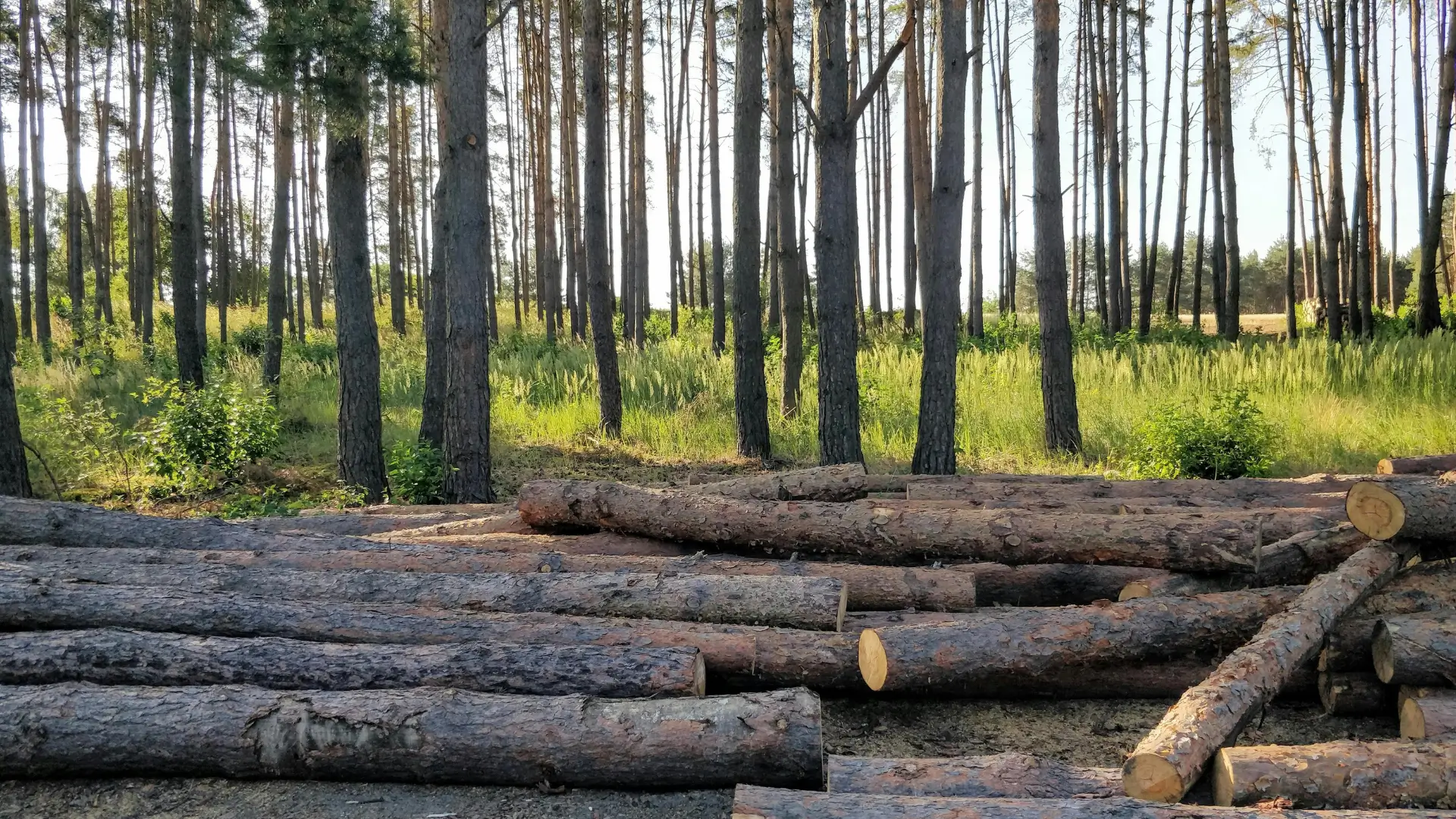
Brush is chipped, logs are cut to length, and the site is raked. You can choose to keep wood chips for paths or have them hauled away. Many clients leave a light layer of chips over beds for winter mulch.
5. Stump options
Grinding eliminates tripping hazards and stops unwanted sprouts. Standard depth for lawn is 15 to 20 centimetres below grade. Deeper grinding or full stump removal can be arranged for future patios or footings. November soil is still workable, so backfilling and leveling are straightforward.
Stump Grinding in November
Grinding now avoids spring bottlenecks. Once the cavity is backfilled with topsoil and lightly tamped, the area can rest over winter. By spring the soil has settled and is ready for sod, seed, or new plantings. If you plan to replant a tree, shifting the hole at least 60 to 90 centimetres from the old stump location improves establishment.
Permits and Toronto Bylaws
Toronto’s Private Tree By-law protects many trees on residential lots. As a general guideline, removals for trees at or above 30 centimetres in diameter at breast height may require a permit unless the tree is deemed an immediate hazard. An arborist can provide reports, photos, and replanting plans if needed and will help you stay compliant. Shrub removals do not usually require permits, but always confirm if you are unsure.
Weather and Scheduling Tips
-
Book earlier in November to avoid freeze ups and snow cover
-
Allow a weather window in case of high winds or freezing rain
-
Mark underground irrigation and lighting ahead of time
-
Plan driveway access for chippers and stump grinders
Cool, clear days are common in early and mid November, which supports efficient dismantling and thorough cleanup.
What To Do After Removal
Level and stabilize soil
If a stump is ground, remove excess chips where you want lawn. Backfill with screened topsoil and rake level. Light compaction with your feet is enough in fall.
Mulch beds for winter
Spread a 5 to 8 centimetre layer of wood chips across exposed soil to buffer temperature and reduce erosion.
Plan replanting
If ground is not frozen and your new tree is a hardy deciduous species, late fall planting can still work. Water in well and mulch. If in doubt, wait until spring and use winter to choose the right species and location.
Cost Factors to Consider
-
Diameter and species influence time and blade wear
-
Access, slopes, and nearby structures may require special equipment
-
Proximity to utilities demands careful rigging and pace
-
Cleanup level and chip or log hauling affect the quote
-
Adding stump grinding and backfill provides a cleaner finish in one visit
A clear, itemized estimate helps you select options that fit your plan and budget.
FAQs
Can removal happen in light snow or frost
Yes. Light snow is manageable. Heavy ice or high wind requires rescheduling for safety.
Do I need to be home
Not necessarily. Many clients meet the arborist for the assessment and give access instructions for the work day.
What if my tree is near power lines
Only qualified professionals should work near energized lines. Your arborist will coordinate with the utility where required.
Can you save parts of the trunk for milling or projects
Yes, on request. Urban salvage is a sustainable option. Let your arborist know during the assessment.
The Advantage of November Removals
Choosing November for tree and shrub removal gives you lighter canopies, clearer visibility, and fewer wildlife concerns. Crews work faster, cleanup is simpler, and stump grinding is more effective before deep freeze. You also start winter with reduced storm risk and a tidy site, ready for spring improvements.
Need help planning a November removal in Toronto
Loyal Tree’s certified arborists handle assessments, permits, safe dismantling, stump grinding, and full cleanup across the GTA. Call 647 283 8556 or visit loyaltree.ca to schedule your site assessment and secure a November date. We will remove the risk and leave your property clean and ready for what comes next.