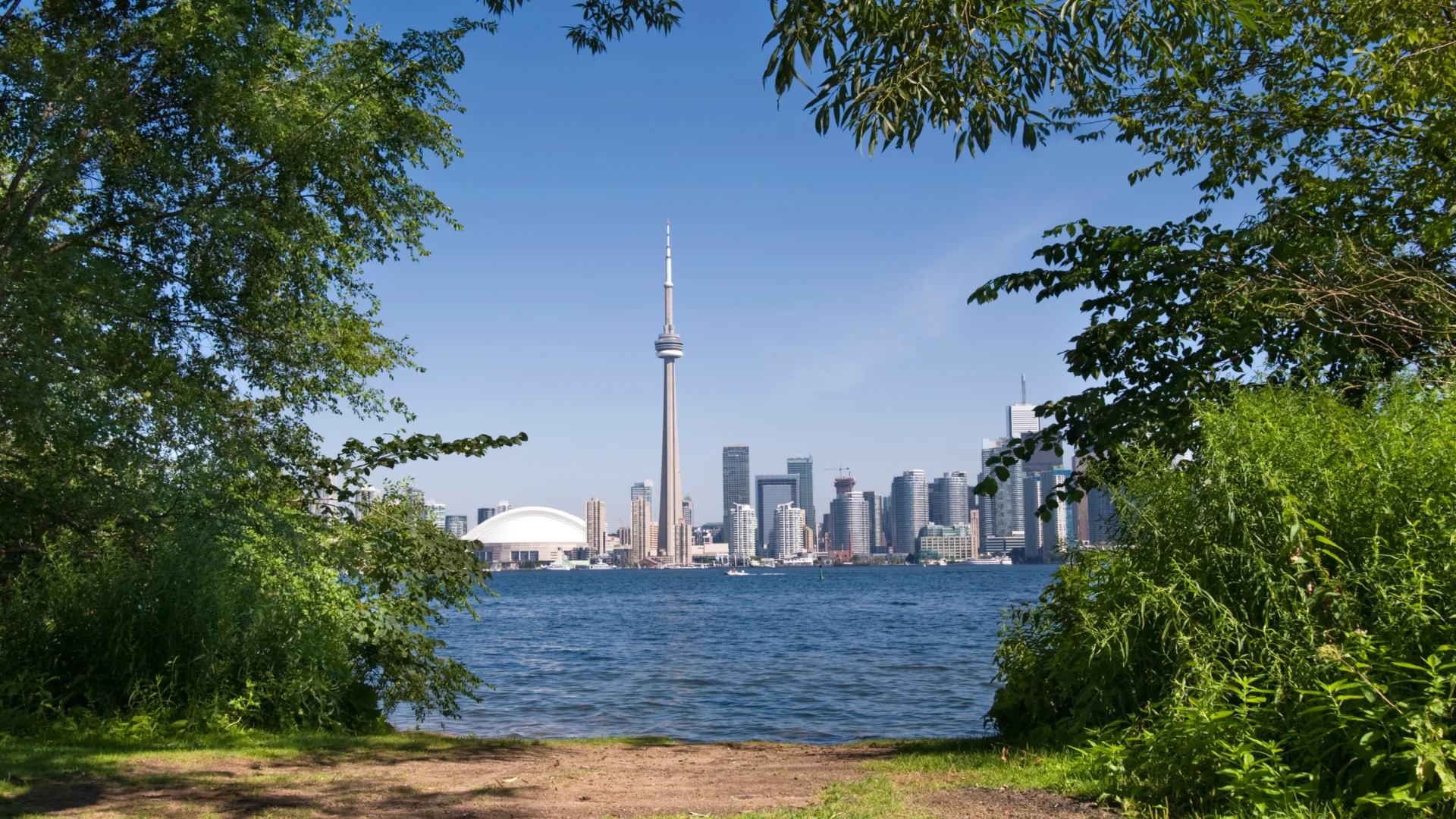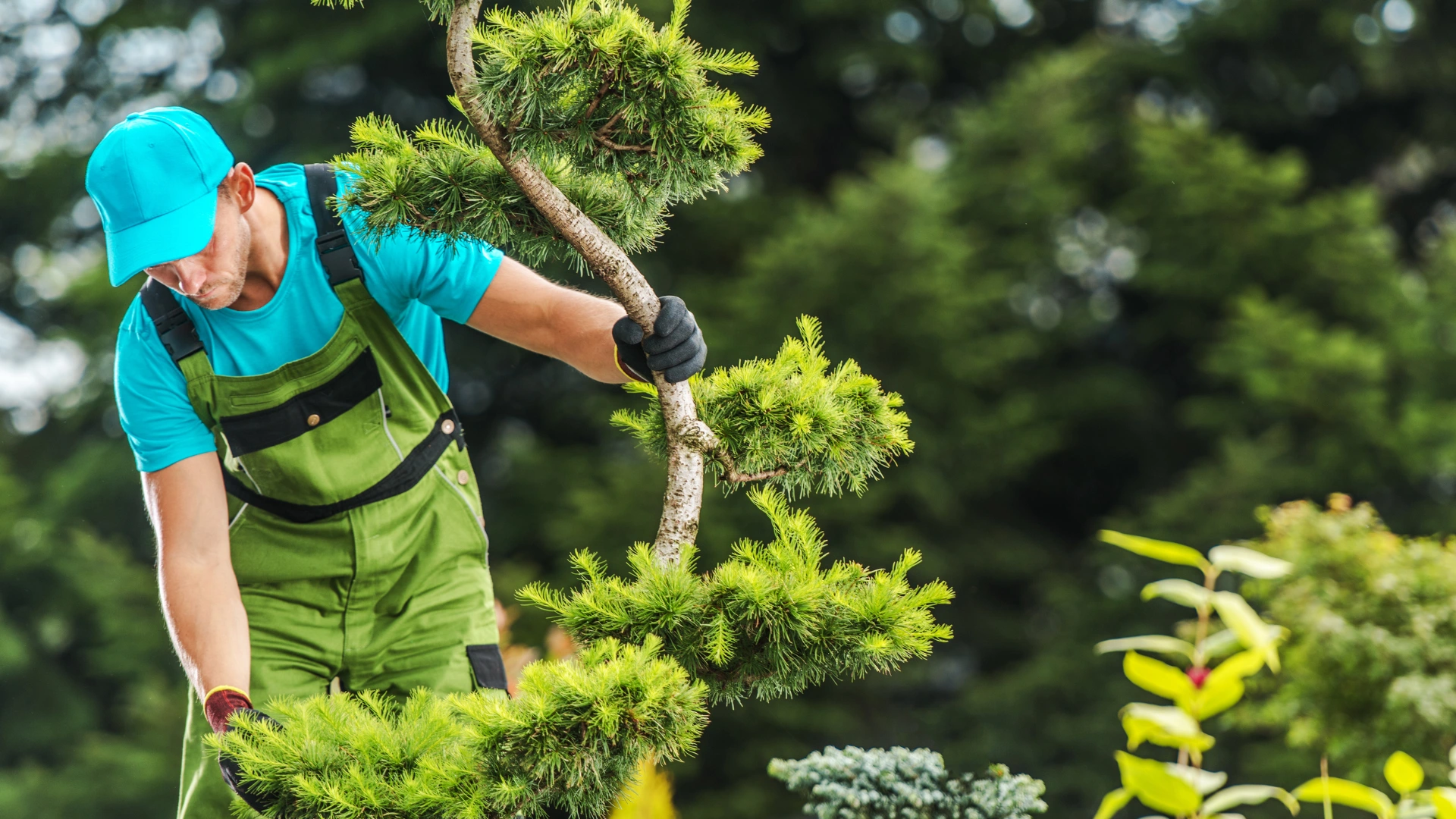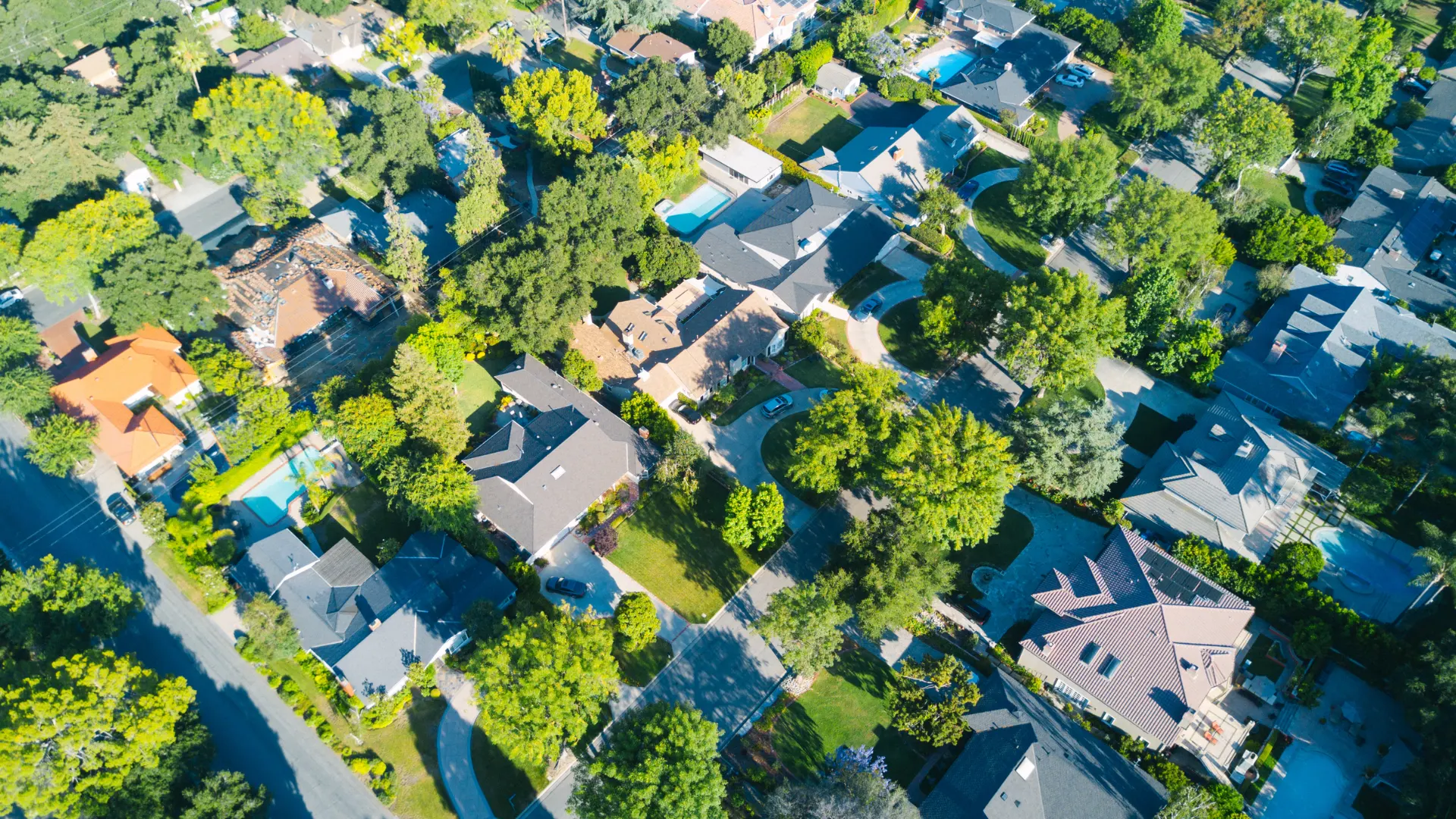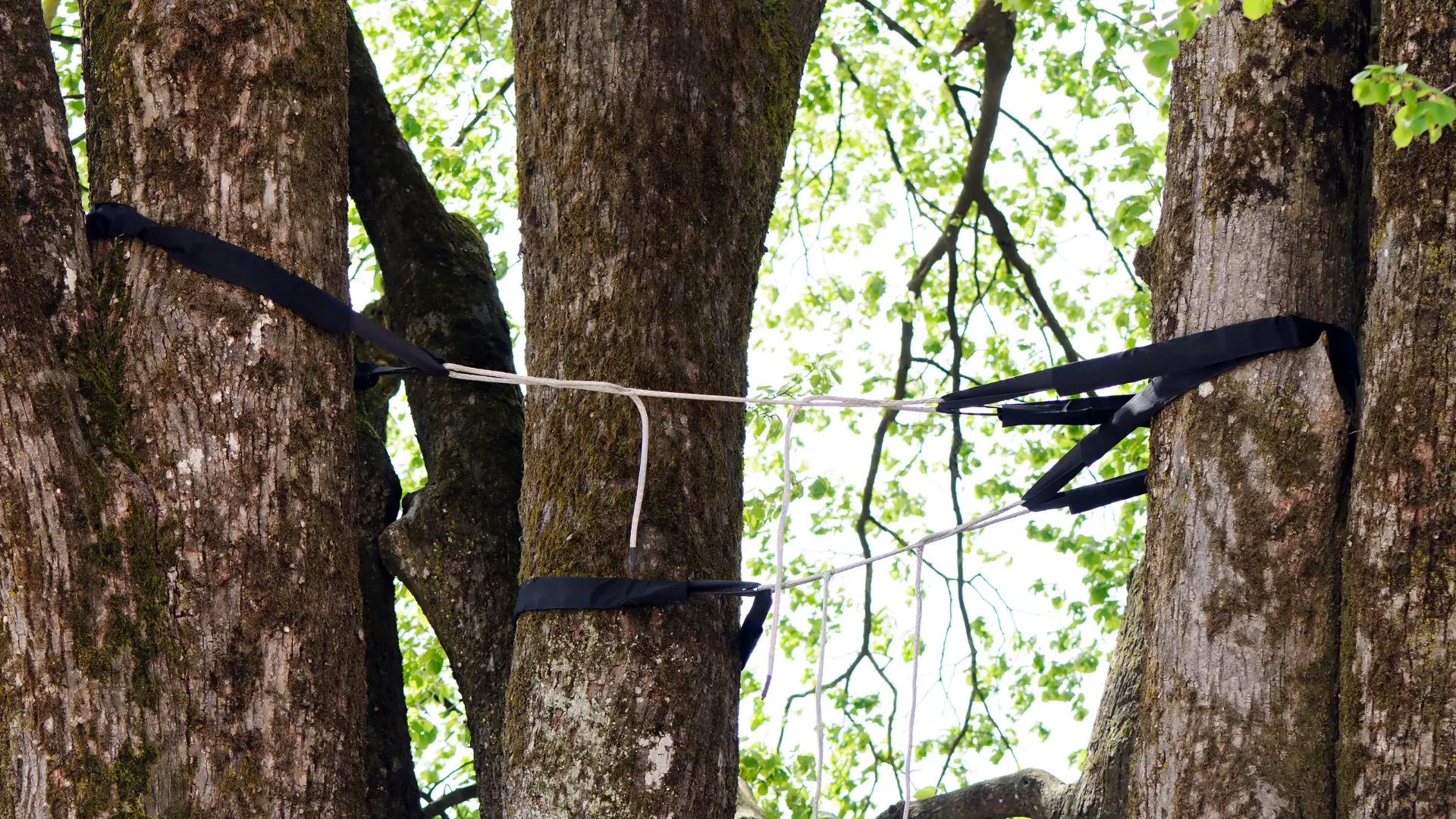

Toronto summers can swing from refreshing breezes off Lake Ontario to sweltering heat waves that parch lawns, gardens, and street trees alike. Extended periods of high temperature and humidity put tremendous stress on urban trees, whether they are mature maples shading older neighbourhoods or young ornamentals planted last spring. Without a smart watering plan, even resilient species can suffer drought stress, branch die-back, or pest infestations that take years to reverse.
Below is a practical, research-based guide to mid-summer watering that keeps Toronto trees healthy while respecting municipal bylaws and conserving water.
1. Why Summer Watering Differs From Spring and Fall
Trees lose moisture faster in July and August for three reasons:
-
Higher Evapotranspiration
Hot air pulls moisture from leaf surfaces and warm soil wicks water into the atmosphere. -
Reduced Soil Moisture Recharge
Thunderstorms often deliver heavy rain in a short burst, most of which runs off hard clay or compacted turf before soaking in. -
Peak Leaf Area
Fully developed canopies transpire at maximum rates, increasing demand for water delivered from the root zone.
Understanding these dynamics helps homeowners time irrigation for maximum absorption and minimal waste.
2. Know the Signs of Drought Stress
Early detection prevents long-term damage. Watch for:
-
Wilting or curling leaves in the afternoon even after a cool night
-
Premature yellowing or leaf browning along edges
-
Small, sparse foliage compared with previous summers
-
Die-back at branch tips
-
Early leaf drop or the appearance of suckers at the trunk base
If two or more of these symptoms appear, your tree needs a deep watering within 24 hours.
3. Calculate Tree Water Needs
The 5-10-5 Rule
A simple rule of thumb recommends 5 to 10 litres of water per centimetre of trunk diameter every 5 days when daytime highs exceed 29 °C. Measure diameter at chest height (1.4 m). For example:
-
20-cm diameter red oak
-
Needs 100 to 200 L every 5 days during extreme heat
-
-
10-cm diameter ornamental serviceberry
-
Needs 50 to 100 L every 5 days
-
This calculation assumes average loam soil. Sandy soils require slightly higher volumes, while heavy clay retains moisture longer but needs slower delivery.
4. Watering Techniques That Work
Deep-Root Soaker Hose
-
Lay a soaker hose in a spiral around the dripline (the outer edge of the canopy).
-
Run water at low pressure for 60 to 90 minutes.
-
Push a screwdriver into soil afterward; it should penetrate easily to 15 cm.
Slow Bucket Method
-
Drill four 6-mm holes near the base of a 20-L bucket.
-
Place several buckets around the dripline and fill them twice for each session.
Gator or Tree Watering Bag
Perfect for recently planted trees. Fill the zippered bag and allow it to empty over 6 to 8 hours for thorough soaking.
Root-Zone Injection
Professional arborists use specialized probes to inject water mixed with wetting agents below compacted turf. This is ideal for mature trees surrounded by paving.
5. Best Time of Day to Water
Early morning, between 5 am and 9 am, delivers three benefits:
-
Lower temperature reduces evaporation.
-
Leaves dry quickly after sunrise, discouraging fungal growth.
-
Soil stays moist through the hottest part of the day.
Avoid evening watering if possible. Cold nights combined with wet foliage create favorable conditions for powdery mildew and other diseases.
6. Use Mulch to Retain Moisture
A 5- to 8-cm layer of coarse wood chips shields soil from direct sun, moderates temperature, and reduces weed competition. Follow these guidelines:
-
Keep mulch 8 cm away from the trunk to prevent rot.
-
Extend mulch to at least half the radius of the dripline for mature trees.
-
Rake mulch annually to break up crusts that block water infiltration.
Municipal yard-waste depots often offer free wood chips, making mulch a cost-effective strategy.
7. Respecting Toronto Water Restrictions
During severe drought, the City of Toronto may implement watering guidelines. Homeowners should:
-
Water on permitted days only.
-
Use drip irrigation or soaker hoses instead of overhead sprinklers.
-
Limit non-essential outdoor watering during peak demand periods.
Following these rules helps ensure adequate supply for essential uses and avoids potential fines.
8. Young vs. Mature Trees
Young Trees (0-5 years)
-
Shallower roots dry out faster.
-
Require supplemental water every 3 to 4 days in extreme heat.
-
Tree watering bags or slow buckets are ideal.
Mature Trees (over 5 years)
-
Larger root systems tap deeper moisture but still benefit from supplemental watering every 7 days when rainfall is less than 10 mm.
-
Avoid spraying the trunk directly; focus on the entire root zone.
9. Tech Tools for Accurate Watering
-
Soil Moisture Sensors
Affordable electronic probes provide instant readings at multiple depths. -
Rain Gauges
Measure weekly rainfall. If totals are below 25 mm, plan supplemental watering. -
Smart Irrigation Controllers
Integrate weather forecasts and soil data to automate efficient watering schedules.
10. Common Mistakes to Avoid
-
Shallow Daily Sprinkling
Encourages surface roots and wastes water through evaporation. -
Water Against the Trunk
Most feeder roots are near the dripline, not at the base. -
Overwatering Clay Soil
Saturated clay excludes oxygen, killing fine roots. Always test soil moisture before watering again. -
Ignoring Heat-Loving Pests
Drought-stressed trees attract borers and aphids. Combine proper watering with regular pest inspections.
Final Thoughts: Keep Your Trees Thriving All Summer
A consistent deep-watering routine, combined with mulch and smart timing, equips your trees to handle Toronto’s hottest weeks without sacrificing health or aesthetics. Invest a few hours each week and your trees will reward you with shade, cleaner air, and boosted property value for decades.
Need Expert Help with Summer Tree Care?
Loyal Tree Inc. offers comprehensive mid-season health assessments, deep-root watering services, and customized irrigation plans throughout the GTA. Our ISA-certified arborists ensure your trees stay hydrated and resilient against summer stress. Call 647-283-8556 or visit loyaltree.ca/contact to schedule a consultation and keep your urban forest thriving all season long.