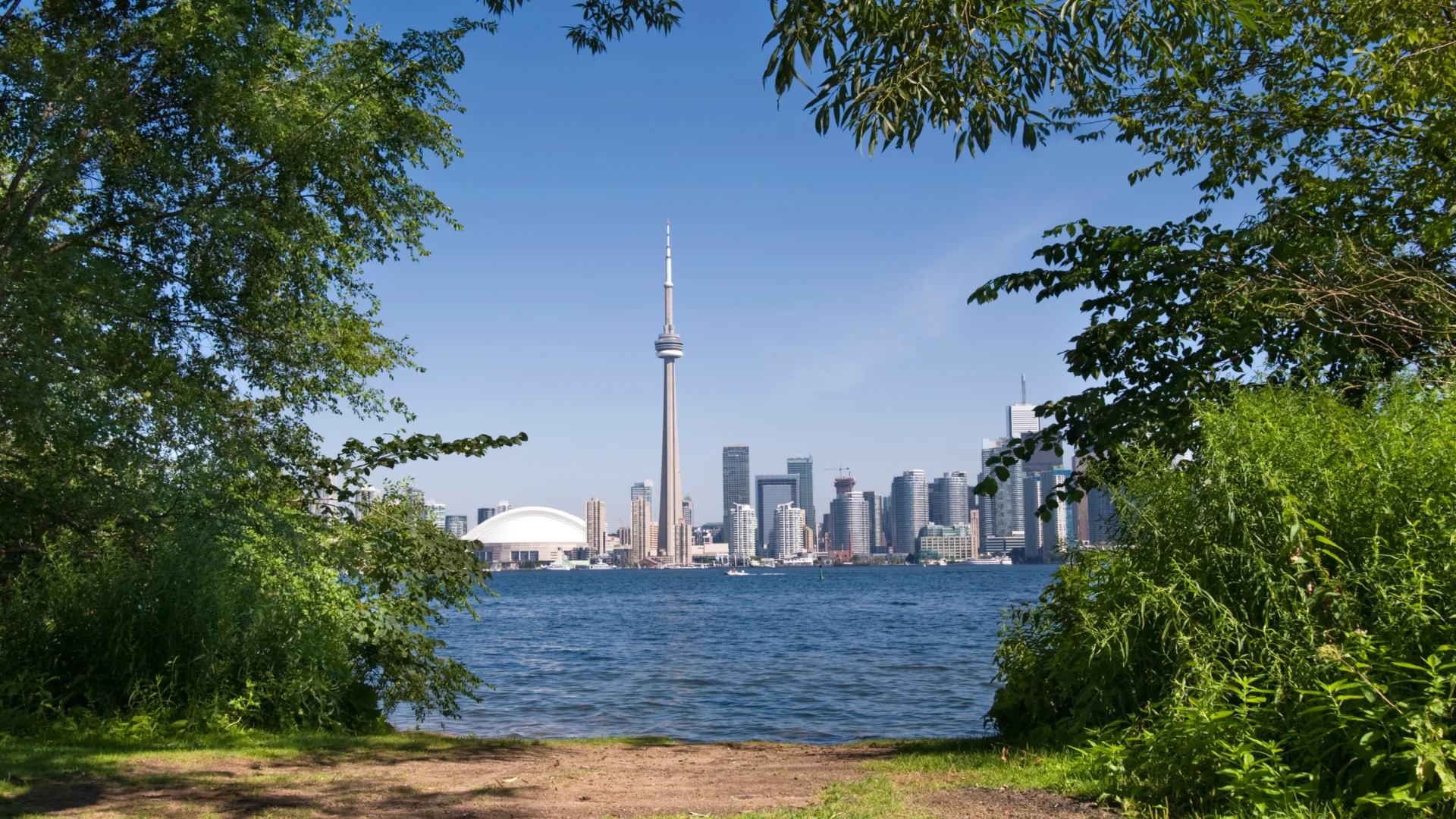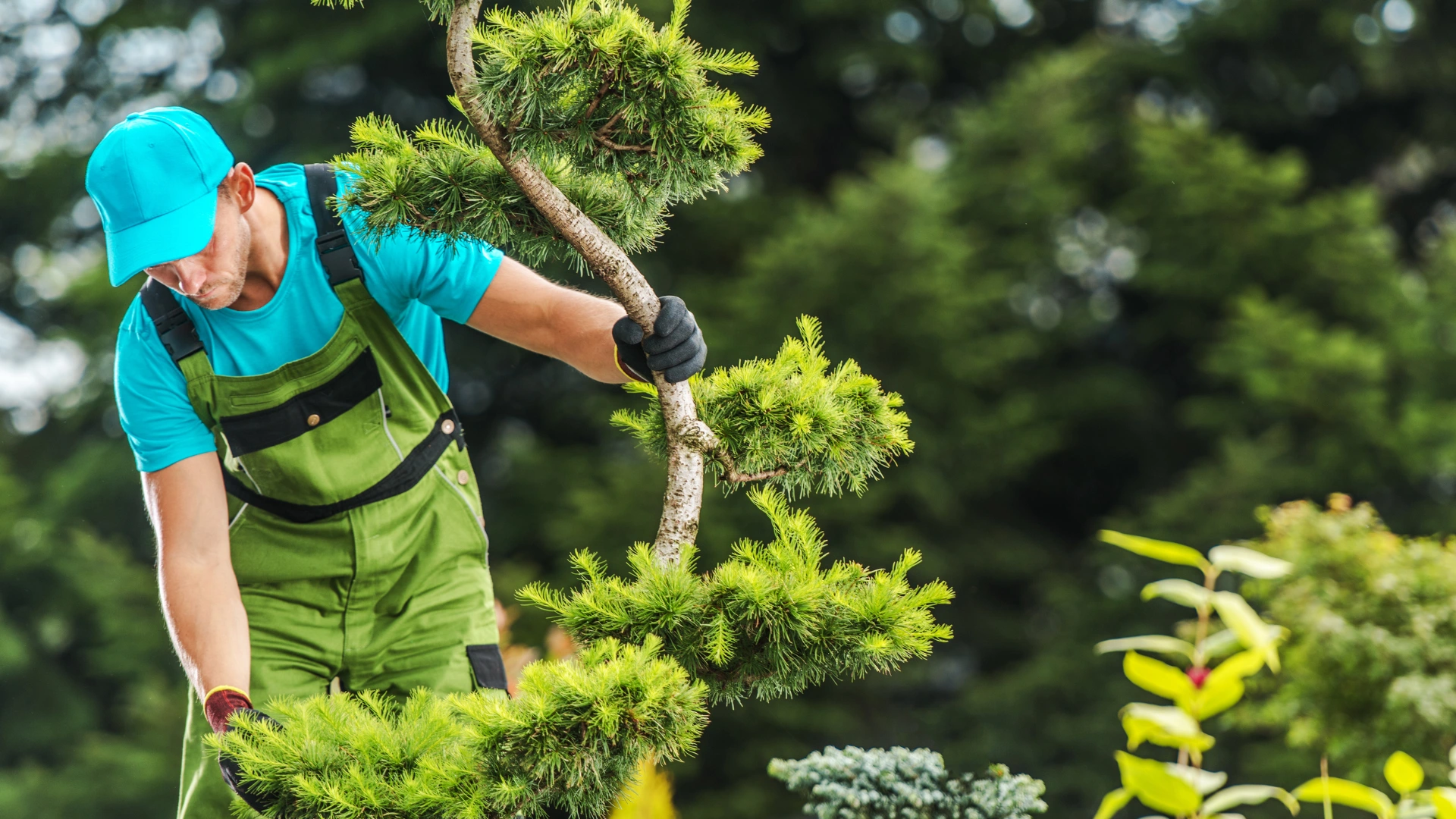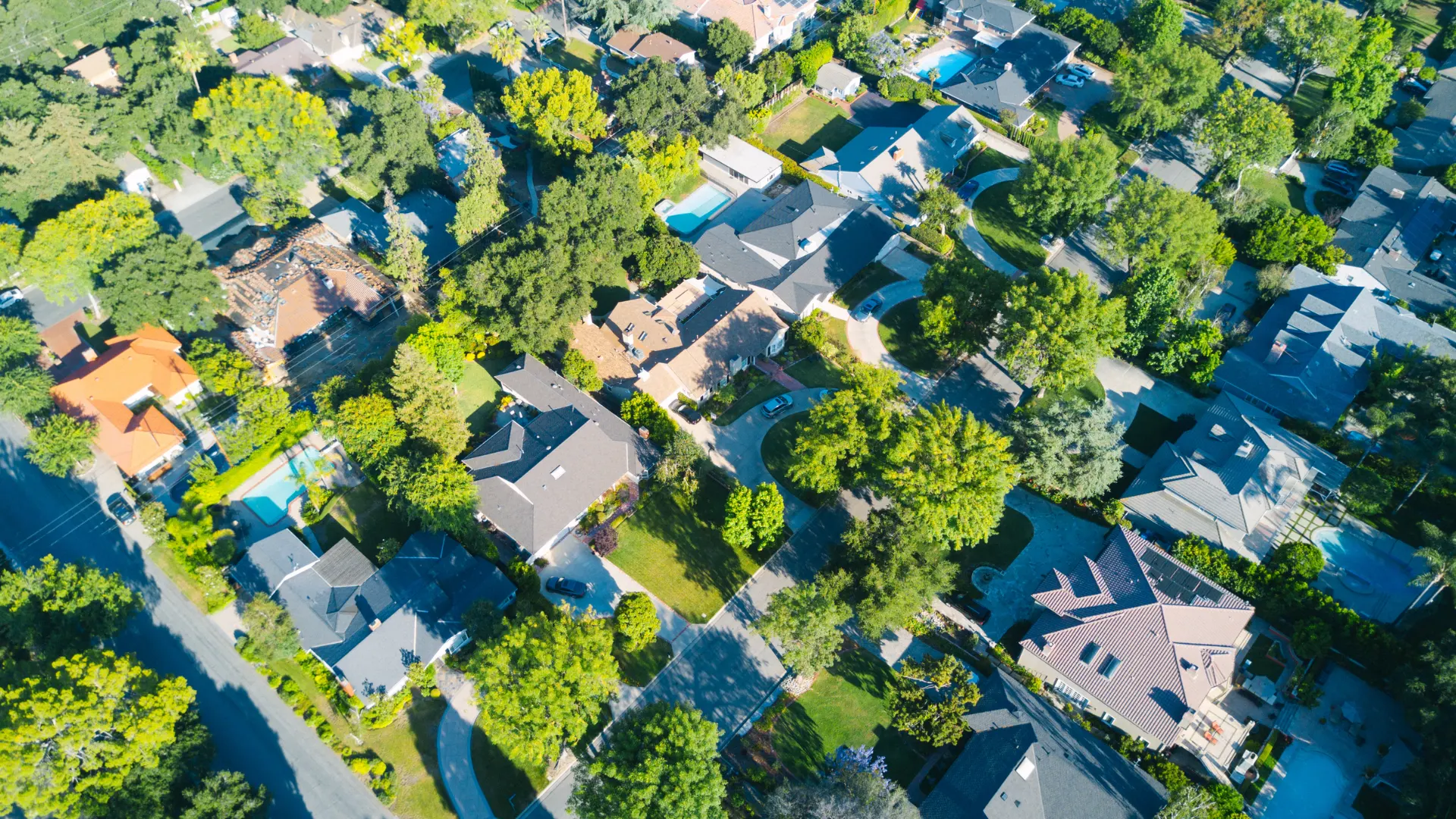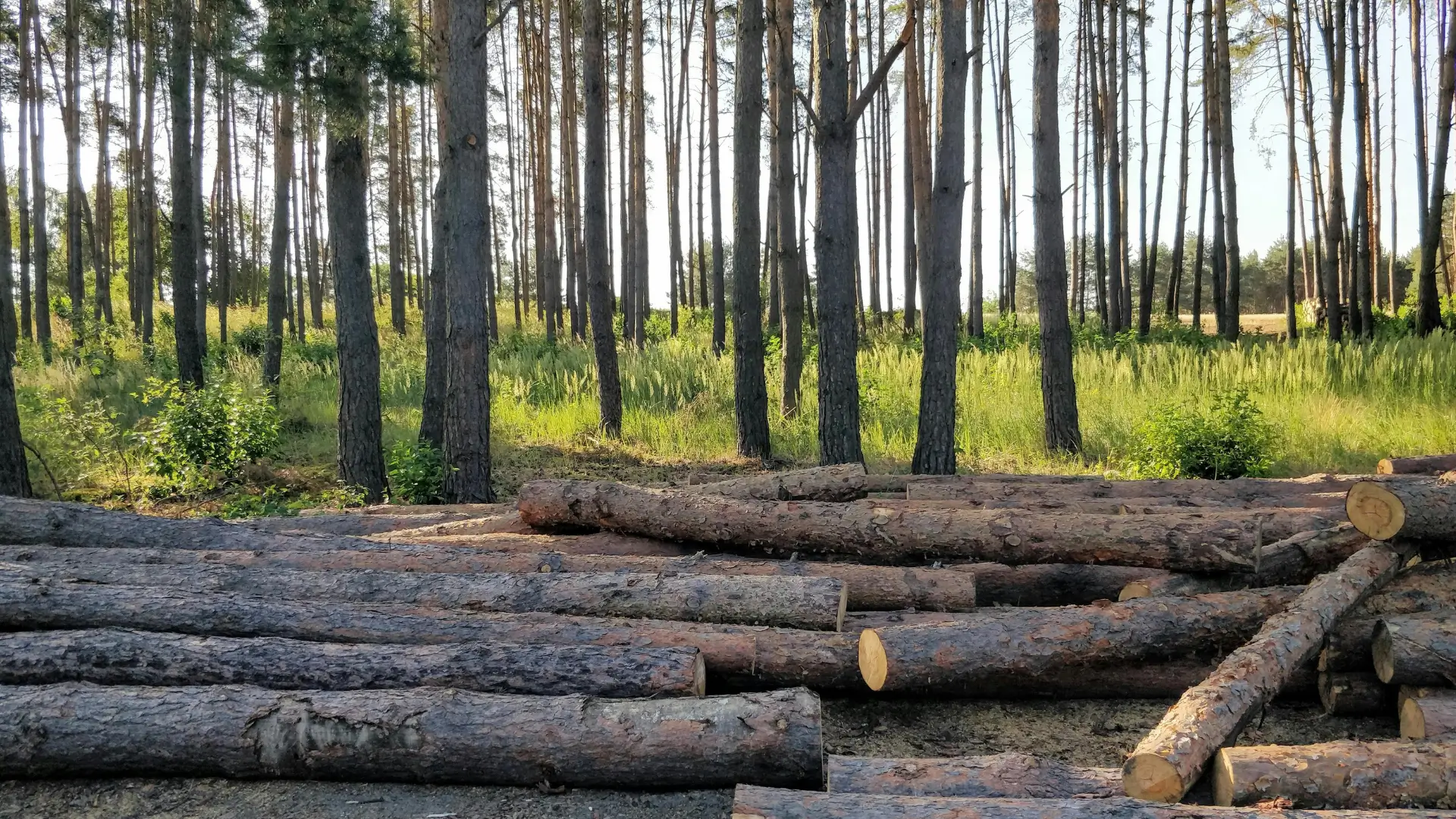

Late August and September are a turning point for Toronto trees. The worst heat has usually passed, yet soil is still warm enough for strong root growth. At the same time, thunderstorm frequency can rise, and heavy winds start to show up in fall forecasts. This is the window to assess tree health, correct summer stress, and prepare your property for storm season. Use this guide to complete a thorough check and make smart, preventive fixes before the first big wind event.
Why an end-of-summer health check matters
Hot months leave a mark. Prolonged heat, irregular watering, and compacted soil can weaken canopies and shallow root systems. Stressed trees are more likely to shed limbs in a storm and more prone to pests and disease. A focused inspection followed by targeted maintenance reduces risk and helps trees head into fall strong and stable.
Step 1: Do a structured walk-around inspection
Take 15 to 30 minutes per tree and work from top to bottom, outside to inside.
Canopy
-
Compare leaf density to previous years. Thinning foliage or small leaves point to stress.
-
Look for browning edges, early color change, or clusters of dead leaves that hang on. These can indicate drought stress, root issues, or vascular disease.
-
Scan for deadwood and broken stubs. Mark them for removal.
Branches
-
Identify crossing or rubbing limbs that have created wounds in the bark.
-
Note long, heavy branches that extend over driveways, roofs, play areas, or walkways.
-
Watch for water sprouts and suckers. These weak shoots grow fast after stress and fail easily in wind.
Trunk
-
Check for vertical cracks, sunken cankers, oozing sap, or fresh sawdust at the base.
-
Look for exit holes. D-shaped holes suggest borers on ash, round holes can signal other wood-boring insects.
Root collar and soil
-
Ensure the trunk flare is visible. Soil or mulch against bark traps moisture and invites decay.
-
Probe the soil with a screwdriver. If you cannot reach 10 to 15 cm with moderate effort, compaction is likely.
-
Note mushrooms or shelf fungi at the base, which can indicate internal decay.
Take photos of anything you find. If more than one issue shows up on the same tree, plan a professional assessment.
Step 2: Address summer stress before fall winds arrive
Aerate compacted soil
-
For turf areas, core aerate under the canopy, then topdress lightly with compost.
-
For heavy clay or construction-impacted zones, vertical mulching with an air spade creates deep, compost-filled shafts that feed roots and move water downward.
Refresh mulch
-
Maintain 5 to 8 cm of coarse wood chips across the root zone, pulled back 8 cm from the trunk. Mulch stabilizes soil temperature and preserves water.
Reset watering
-
Shift from frequent, shallow sessions to deep watering once each 5 to 7 days when rainfall is low. Aim to moisten soil to 15 to 20 cm depth. Use a soaker hose around the dripline or a watering bag for young trees.
Be conservative with fertilizer
-
If a soil test shows deficiencies, use balanced, slow-release products. Avoid high nitrogen in September. The goal is root strength and wood hardening, not a flush of new shoots.
Step 3: Prune for safety and airflow
Pruning at the end of summer focuses on risk reduction and canopy balance, not heavy shaping.
Priorities
-
Remove dead, diseased, and broken branches first. Deadwood is brittle and tends to fail in wind.
-
Thin congested interior growth to improve airflow. Selective thinning reduces wind sail and lowers breakage risk.
-
Shorten long tips that overhang targets by cutting back to strong laterals. Avoid removing more than 20 percent of live crown on mature trees in one season.
Technique
-
Make clean cuts just outside the branch collar. Do not leave stubs and do not cut flush to the trunk.
-
For larger limbs, use the three-cut method to prevent bark tearing.
-
If branches are near utilities or require climbing, call a certified arborist.
Step 4: Consider structural support where needed
Some defects cannot be corrected with pruning alone.
Cabling and bracing
-
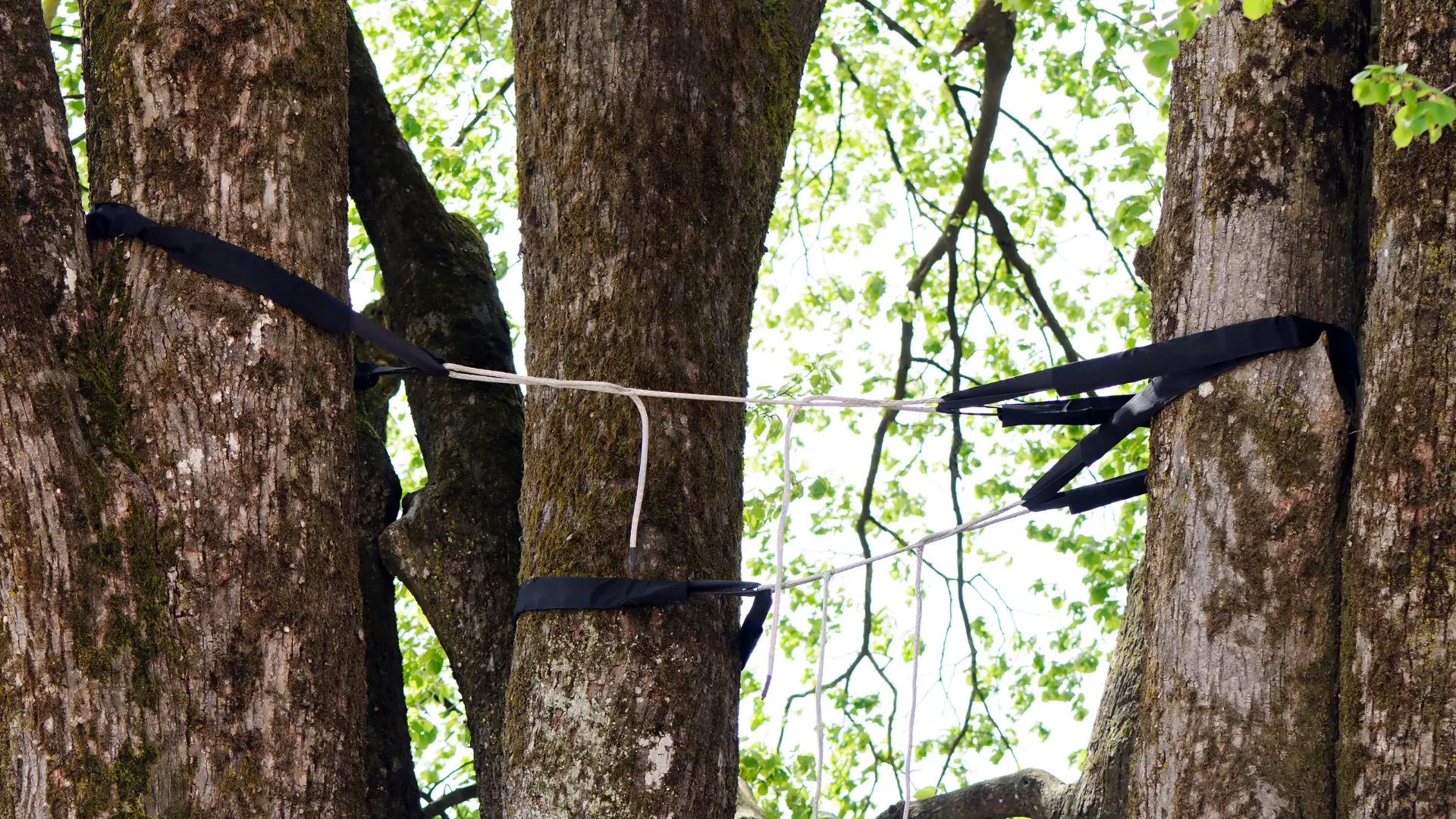
Co-dominant stems with narrow crotch angles, cracked unions, or heavy limbs over high-value targets can benefit from cabling or bracing.
-
Hardware distributes loads between stems and reduces movement during wind events.
-
Only trained professionals should specify and install these systems, and they need periodic inspection.
Lightning protection
-
Tall, isolated, or heritage trees near structures are good candidates for lightning protection. A copper cable system routes strikes into the ground and protects both the tree and nearby buildings.
Stake check for young trees
-
Remove stakes after the first growing season unless the site is exceptionally windy. If staking must remain, loosen ties so trunks can flex. Movement builds stronger wood.
Step 5: Verify clearances and protect property
-
Maintain clearance over roofs, parking areas, sidewalks, and utility lines.
-
Remove low, weak, or hanging branches that could damage shingles, eavestroughs, or vehicles.
-
Lift the crown along walkways to improve visibility and reduce pedestrian conflicts.
-
Clear driveways and emergency access routes so fallen branches cannot trap vehicles.
If your tree grows into or near overhead lines, do not attempt work yourself. Call the utility or a qualified arborist who is authorized to work in proximity to energized lines.
Step 6: Review pests and diseases that follow heat stress
Drought-stressed trees are more attractive to borers and sap feeders. Look for:
-
Honeydew and sooty mold on leaves, which suggest aphids or scale.
-
D-shaped exit holes and canopy thinning on ash, consistent with emerald ash borer.
-
Sudden flagging of single branches on elm or oak, which can indicate vascular disease.
Early detection allows targeted treatments and sanitation pruning before problems spread. Schedule a professional inspection if you see these signs.
Step 7: Plan for permits and documentation
Toronto’s Private Tree By-law protects many trees on residential lots. Before major pruning or any removal, confirm if a permit is required, especially for trees at or above 30 cm in diameter at breast height. A certified arborist can prepare reports, maps, and replanting plans as needed. Keep records of inspections and completed work. Good documentation helps with insurance questions after a storm.
Step 8: Build a simple storm response plan
Preparation reduces stress when weather warnings hit.
-
Save your arborist’s contact information in your phone.
-
Identify shutoffs for outdoor electricity and irrigation.
-
Store tarps, rope, pruning saws for small debris, and a flashlight where they are easy to reach.
-
After a storm, do a quick safety scan for downed lines, cracked trunks, and hanging limbs. Keep people and pets away until hazards are assessed.
Never attempt to cut tensioned or partially broken limbs. These can move unexpectedly and cause serious injury.
Common mistakes to avoid
-
Topping or flat-cutting the upper canopy. This creates weak sprouts and long-term hazards.
-
Mulch volcanoes around the trunk. Keep the trunk flare visible.
-
Cutting roots for hardscape work without a plan. Root loss can destabilize a tree.
-
Heavy fertilizing in September. New soft growth is vulnerable to early frost.
-
Ignoring small defects. Hairline cracks and minor deadwood often become emergency calls after the first big wind.
When to call a professional
Bring in a certified arborist if you see:
-
Multiple dead limbs over areas where people or cars pass
-
A noticeable lean that increased over the summer
-
Fungal conks at the base, soft wood at the root collar, or hollow sounds when tapping the trunk
-
Cracks at branch unions, co-dominant stems, or girdling roots
-
Any tree work within three metres of overhead utilities
Professionals combine diagnostic tools, safe climbing and rigging, and knowledge of city bylaws. The right work, done once, costs less than repeated fixes or emergency response after a failure.
The payoff of early prep
A careful end-of-summer health check and storm prep deliver several benefits. You reduce the chance of property damage, lower the likelihood of emergency removals, and help trees enter fall with strong roots and balanced crowns. You also protect the urban canopy that cools your home and street, a real advantage during hot Toronto summers and early autumn heat waves.
Ready to book your end-of-summer health check and storm prep?
Loyal Tree’s ISA-certified arborists provide inspections, pruning, cabling, soil aeration, and clearance work across Toronto and the GTA. We can also handle permit paperwork and create a plan tailored to your property. Call 647-283-8556 or schedule your assessment online and make sure your trees are ready for the season ahead.