
As winter’s grip loosens and Toronto begins to show the first signs of spring, it’s time to turn your attention to your trees. Early spring marks a pivotal moment for pruning and fertilization—two essential tasks that will help your trees flourish throughout the growing season. By taking a proactive approach now, you can boost tree health, ward off pests and diseases, and enhance the overall beauty of your landscape. In this comprehensive guide, we’ll discuss why early spring is ideal for pruning and fertilizing in Toronto, how to do it safely, and when to call in the experts.
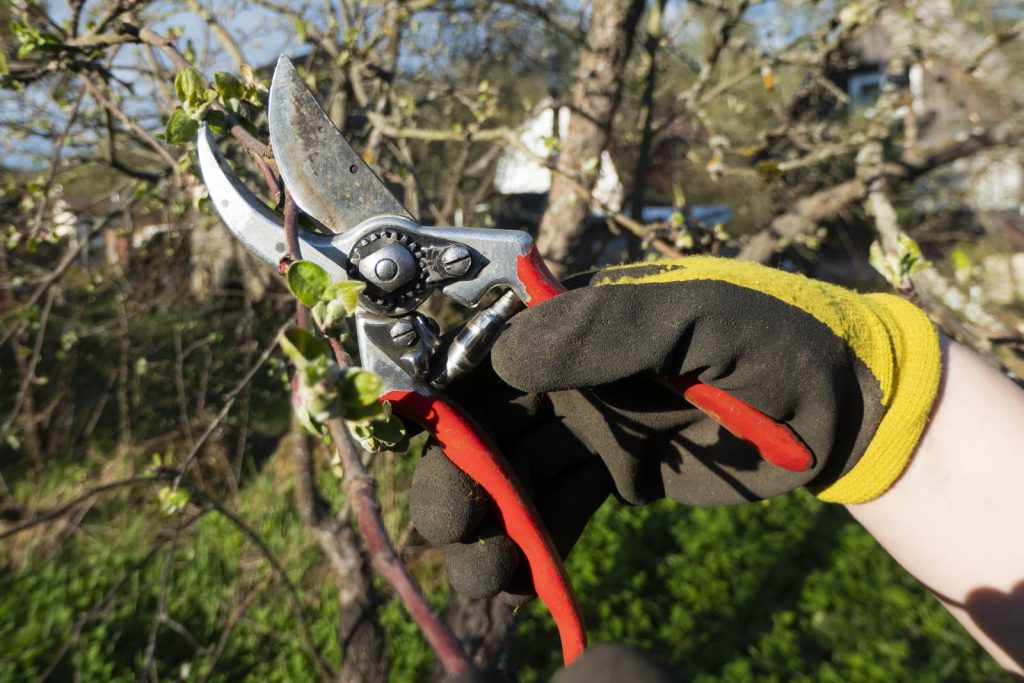
1. Why Early Spring Is the Perfect Time for Tree Care
Early spring is a transitional period when trees are emerging from dormancy but haven’t fully produced leaves yet. This timing offers several advantages:
- Visible Branch Structure: With fewer leaves, you can easily spot dead, damaged, or diseased branches. This visibility helps you make more precise pruning cuts.
- Reduced Stress on Trees: Pruning before a surge in sap flow reduces stress on trees, allowing cuts to heal more quickly.
- Optimal Nutrient Uptake: Fertilizing now delivers nutrients at a time when roots are starting to actively grow, setting the stage for robust foliage and strong limb development.
Toronto’s climate—often characterized by unpredictable temperature swings—can still bring late frosts. While this may shorten your window of opportunity, taking quick but careful action ensures you maximize the benefits of springtime care.
2. Benefits of Early Spring Pruning
Pruning is more than just cutting off branches; it’s a strategic practice that promotes longevity, safety, and health. Here’s why early spring pruning is so essential in Toronto:
- Enhanced Growth: Removing weak or overcrowded branches directs the tree’s resources to the healthiest limbs, resulting in fuller canopies and more vigorous growth.
- Disease Prevention: Pruning dead or diseased wood early helps prevent the spread of fungal infections and pests that can quickly escalate in warmer months.
- Improved Air Circulation and Sunlight: By thinning out dense areas, you allow air and sunlight to penetrate the interior of the canopy, reducing moisture accumulation—a common precursor to diseases.
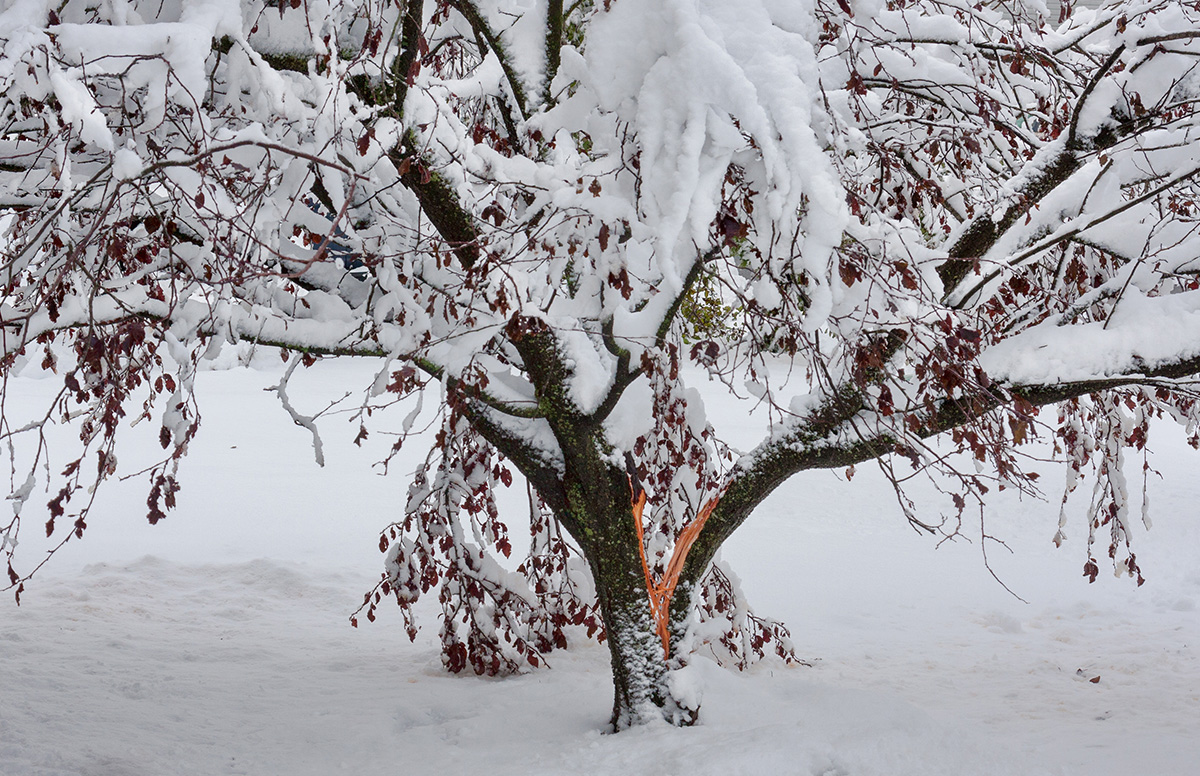
- Safety and Clearance: Strong spring winds or storms can damage overextended branches, potentially causing property damage. Pruning mitigates these risks by removing hazardous limbs
3. Pruning Best Practices for Toronto Homeowners
- Use Clean, Sharp Tools: Dull blades can create uneven cuts, leading to potential infections. Always disinfect pruning tools with a solution of bleach and water or rubbing alcohol between cuts.
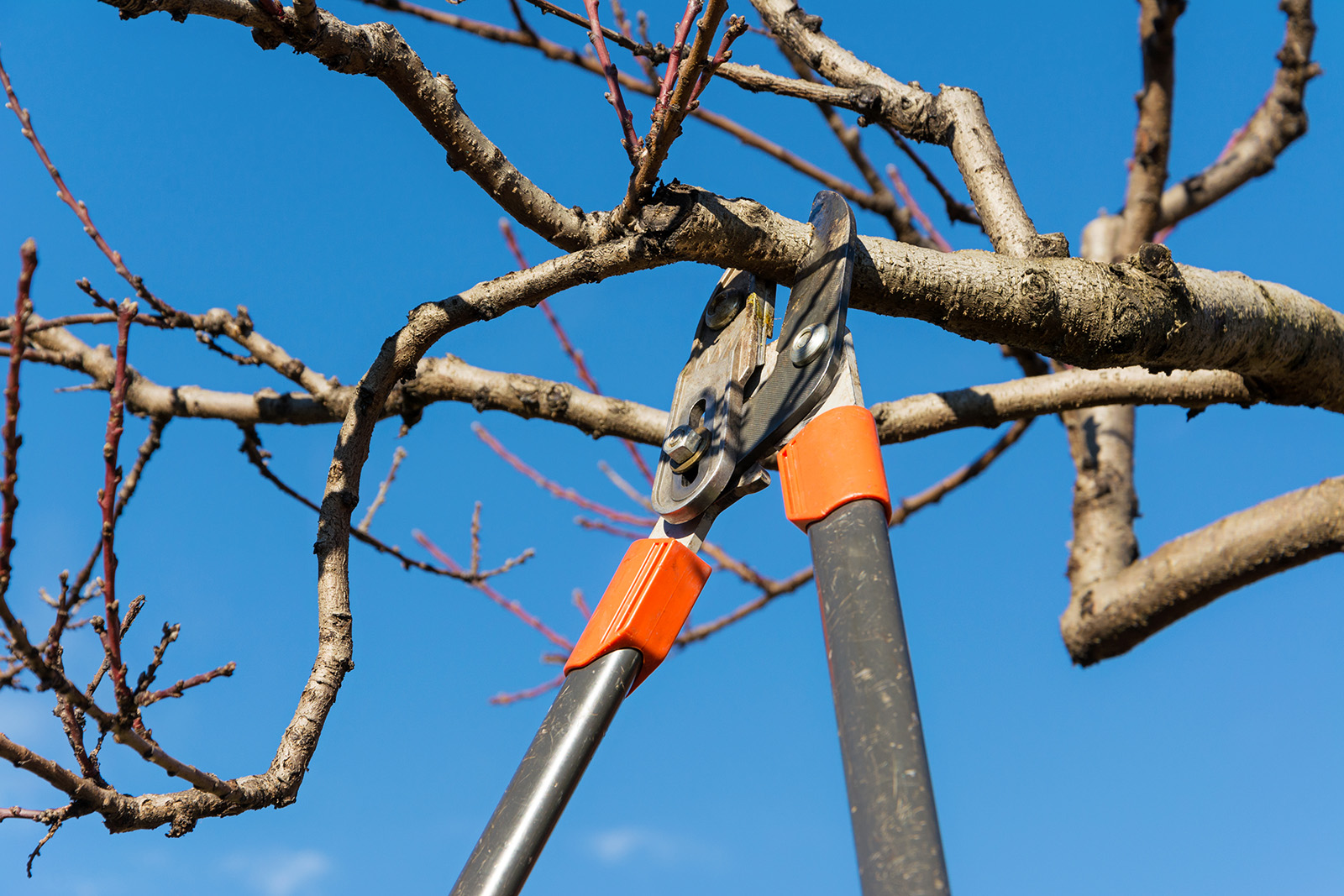
- Follow the 3-Cut Method: For larger limbs, make an undercut first, then a second cut above and away from the trunk, and finally a clean finishing cut near the branch collar. This method prevents bark tearing.
- Prune at the Right Spots: Target the branch collar (where the branch meets the trunk) but avoid cutting into it. Cutting flush to the trunk can open the tree to pests and diseases.
- Prioritize Safety: If the branches are large or near power lines, consult a certified Toronto arborist. Climbing ladders or working near electrical wires can be extremely dangerous without the right expertise.
4. The Role of Early Spring Fertilization
Fertilization provides essential nutrients—like nitrogen, phosphorus, and potassium—that your trees need for robust growth. Think of it as giving your trees a balanced breakfast to kick-start their active season. Early spring is optimal because:
- Nutrient Uptake: As soil temperatures rise, roots begin to absorb nutrients more efficiently.
- Strong Growth Foundation: Proper fertilization supports new shoots, leaves, and root growth that will continue through late spring and summer.
- Resilience to Stress: Healthy, well-nourished trees are more capable of resisting pests, diseases, and environmental stressors such as drought or urban pollution
5. How to Fertilize Your Trees in Early Spring
- Test Your Soil: Before applying any product, use a soil test kit or consult a professional to identify nutrient deficiencies. Over-fertilization can be just as harmful as not fertilizing at all.
- Choose the Right Fertilizer: Select a slow-release, balanced fertilizer designed for trees. Look for a product with a ratio like 10-10-10 or 12-4-8, unless a soil test indicates otherwise.
- Proper Application: Spread fertilizer evenly at the drip line (the outer perimeter of the tree’s canopy), not directly against the trunk. This is where feeder roots most effectively absorb nutrients.
- Water Thoroughly: After fertilizing, water the area to help dissolve the granules or pellets, allowing nutrients to reach the root zone
6. Preventing Pests and Diseases in Early Spring
Toronto’s temperate climate creates a welcoming environment for certain pests and fungal diseases. Early spring is an excellent time to combat these issues:
- Dormant Oil Sprays: Applying dormant oil before buds open can smother overwintering insects, such as scales and mites.
- Inspect for Damage: Look for signs of cankers, galls, or boreholes. Early detection allows you to remove infected limbs before the problem spreads.
- Mulch Properly: A layer of organic mulch helps regulate soil temperature and moisture, which can reduce stress on trees and make them less susceptible to diseases. Keep mulch a few inches away from the trunk to prevent rot
7. Navigating Toronto’s Tree Bylaws
Tree protection bylaws in Toronto can affect how and when you prune, especially for larger or city-owned trees. Here are some points to consider:
- Permits: While minor pruning typically doesn’t require a permit, extensive tree work may need approval—especially if it involves removing significant portions of a protected tree.
- Professional Consultation: If you’re uncertain about the bylaws, consult a certified arborist. They can guide you through the paperwork and ensure compliance.
- Neighbouring Trees: Always communicate with neighbors if tree branches extend across property lines. They may also be affected by the work or have concerns about the tree’s health
8. When to Call a Professional Toronto Arborist
Although DIY pruning and fertilization can be rewarding, certain situations call for expert help:
- Large, Hazardous Trees: If branches extend near power lines or if the tree shows significant decay, professional arborists have the equipment and expertise to handle high-risk tasks safely.
- Major Structural Pruning: Correcting structural issues, like crossing branches or large limbs posing a risk, often requires specialized knowledge.
- Uncertain Diagnosis: If you suspect disease, pests, or root problems, a professional assessment can save time, money, and potentially the life of your tree.
9. Give Your Trees a Head Start This Spring
Early spring pruning and fertilization aren’t just chores on a to-do list—they’re proactive measures that set your trees up for a healthy, vibrant growing season. By taking the time to prune carefully, fertilize appropriately, and watch for early signs of pests or disease, you’ll enjoy a lush canopy of shade and beauty all year long.
If you’re unsure about any of these steps—or if you’re dealing with large or high-risk trees—consider contacting a certified Toronto arborist like Loyal Tree. With professional guidance, you’ll not only protect your property but also preserve and enhance the natural beauty of your urban landscape.
Ready to give your trees the best possible start this spring? Call 647-283-8556 or visit our contact page to schedule a consultation with our certified arborists and keep your Toronto trees thriving.