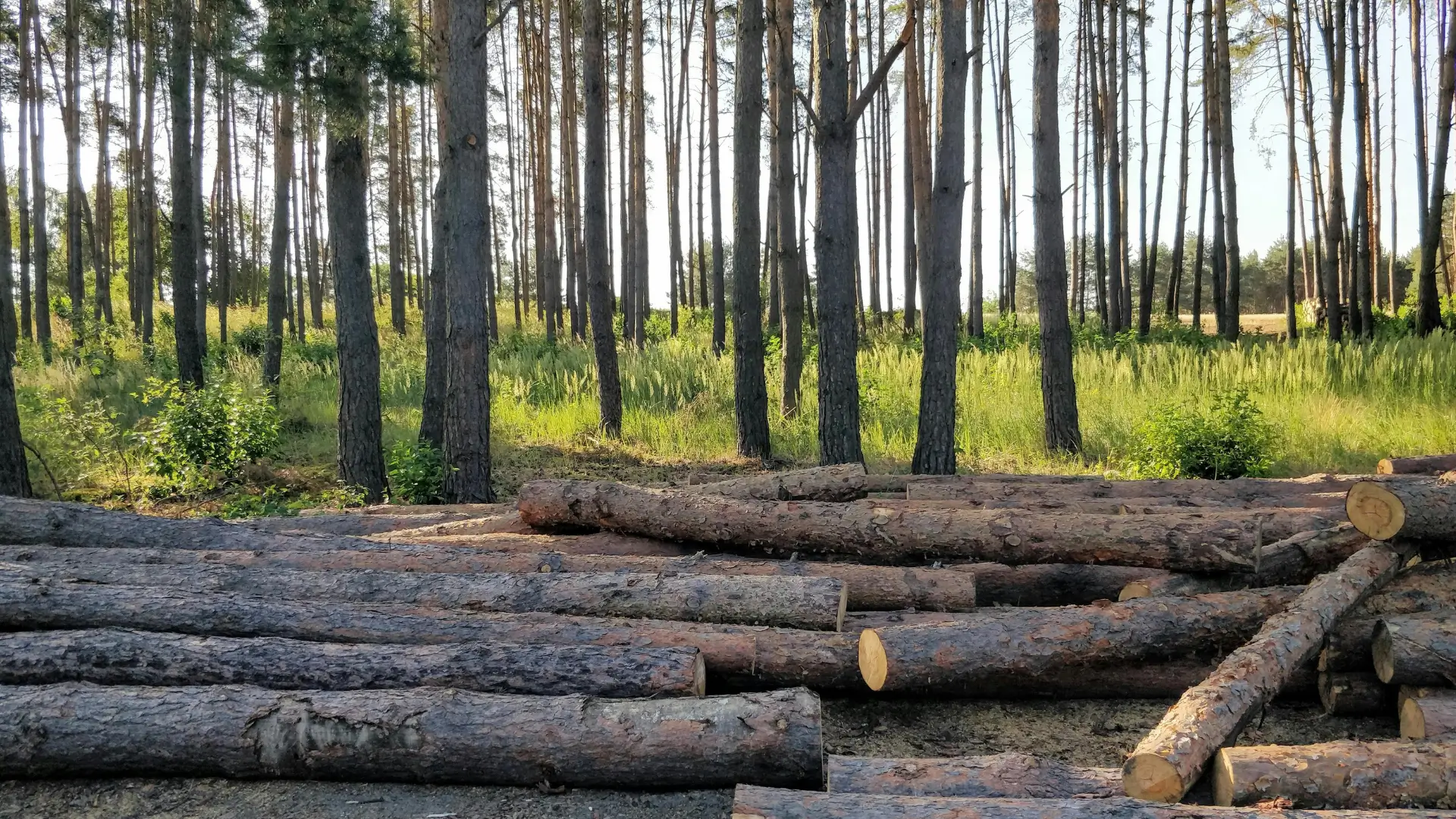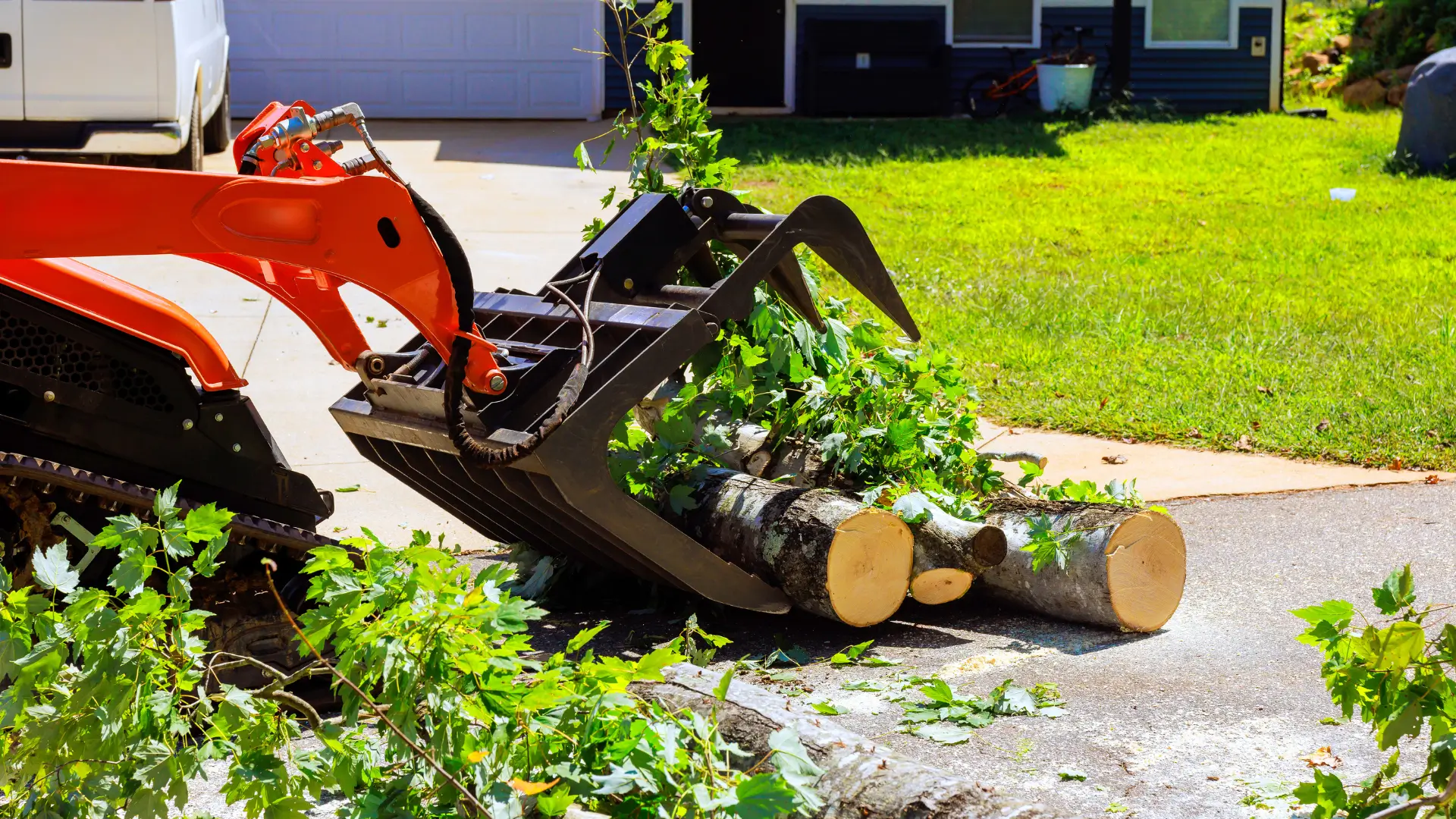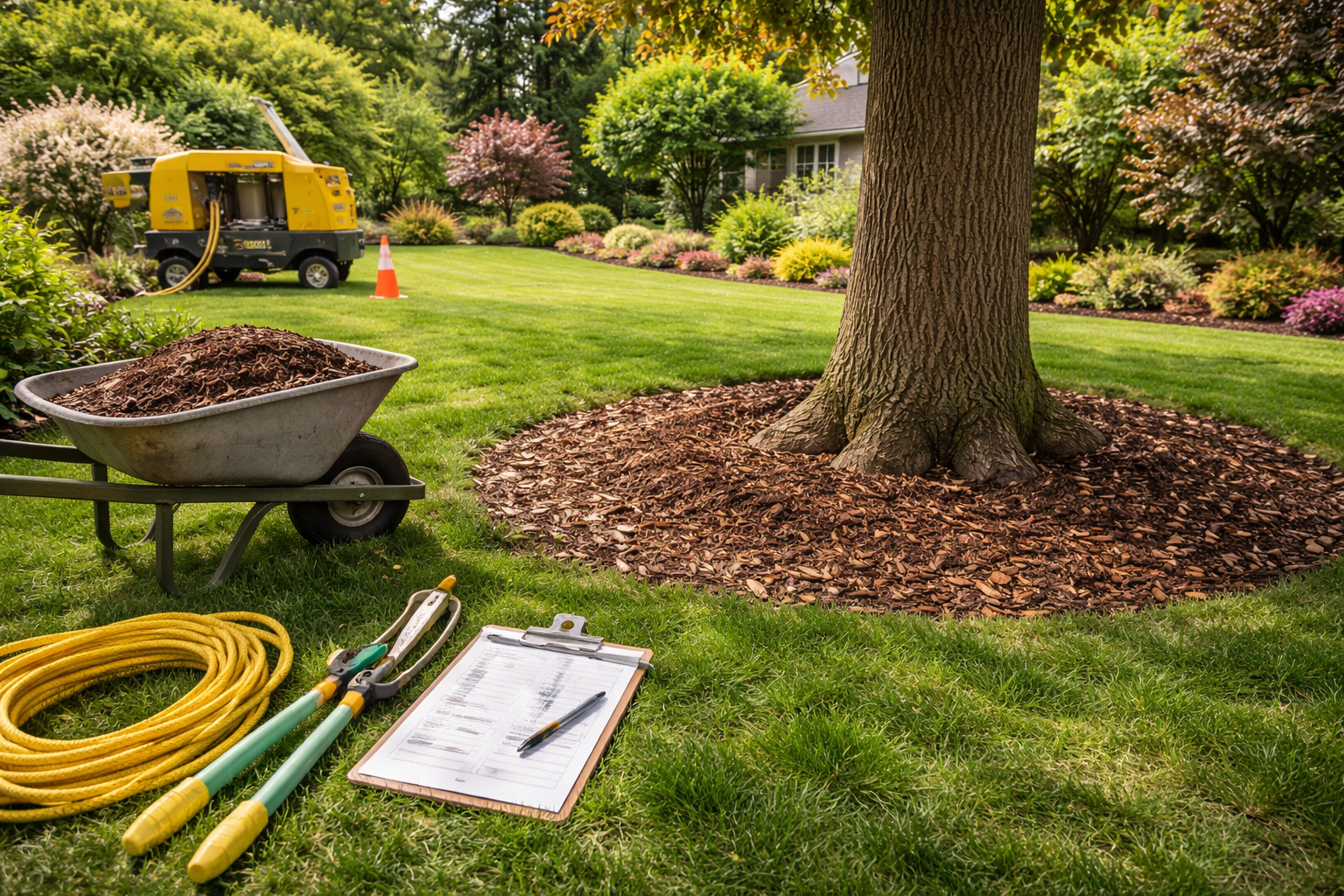

When a mature Toronto tree on house property develops a crack, a leaning trunk, or a weak fork, homeowners must decide if the tree can be saved via tree cabling or full removal. Many factors weigh into the decision. What does tree cabling and bracing actually do? When is removal the more responsible choice? What are the local conditions that make certain Toronto trees vulnerable? These are questions a certified arborist works through before recommending either path.
Toronto boasts a robust and diverse urban forest. Mature trees provide substantial environmental, economic, and aesthetic benefits, from improving local air quality to increasing property values by providing natural shade and character. However, these large, older trees are continually exposed to environmental stressors and can damage a roof, car, or neighbouring property. The December 2013 ice storm made that risk concrete: the City estimated it lost roughly 20% of its tree canopy, with some of the worst damage concentrated in older, heavily treed neighbourhoods.
The decision between tree preservation and tree removal is a critical one that impacts both property safety and the local ecosystem. Not every tree can be saved, but homeowners should have a clear framework for the conversation.
Key Takeaways
- Assessment drives the decision: Cabling extends the life of structurally weak but healthy trees by redistributing canopy weight, whereas severely decayed or completely split trees require removal. A certified arborist’s structural risk assessment must dictate this choice to ensure safety.
- Cost-effective preservation: Installing modern, dynamic support systems, which allow natural tree sway while providing critical tensile strength, is significantly cheaper upfront than removing and replanting a mature tree. However, it requires periodic arborist re-inspections.
- Toronto’s specific risk factors: The city’s severe ice storms and high winds frequently exploit weak branch unions. Local mature maples, oaks, and elms are prime cabling candidates because they routinely develop codominant stems with included bark.
- Timing is critical for split trunks: Proactive support prevents branch failure, but it can also save a tree with an early-stage split trunk. If a union has fully failed or shows extensive decay, removal is generally the only safe option.
Can a Mature Tree Be Saved?
In many cases, yes. Mature trees with a healthy root system and manageable structural defects can often be preserved using tree cabling, bracing, or strategic pruning. However, if a tree is dead, structurally unsound, or poses an unacceptable risk to people or property, removal is typically the safest option. A certified arborist can assess the tree’s condition and recommend the most appropriate solution.
What Tree Cabling and Bracing Actually Do
Cabling and bracing are structural support systems. They do not heal a tree or reverse decay; they redistribute mechanical stress so that a weak point is less likely to fail.
- Cabling uses flexible steel cable installed high in the canopy, between major limbs or stems. It limits how far those parts can move in wind, reducing strain on a weak union below.
- Bracing uses rigid threaded rods installed directly through a weak fork or an existing split, bolting the parts together to resist the spreading force that would pull them apart.
The two are often used together. A common scenario is a mature tree with codominant stems, which refers to two trunks of similar size growing from the same point where bark has become trapped in the junction. Research on red oak and red maple has shown that a properly placed brace rod can measurably increase the strength of that union. Cables above it then reduce the load that reaches it in the first place.
These systems are an intervention for a structurally compromised but otherwise healthy and viable tree. They are not a way to keep a dying or extensively decayed tree standing.
When Cabling Is Typically Appropriate
- A healthy tree with a single identifiable structural defect (a weak fork, a codominant union, a partially split limb).
- A high-value mature tree where removal would meaningfully change the property or the streetscape.
- A tree where an arborist judges the remaining wood sound enough to hold the hardware long-term.
- A split caught early, before the union has fully failed or decay has set in.
When Removal Is the More Responsible Choice
Cabling has limits, and a reputable arborist will name them. Tree removal becomes the appropriate recommendation when the tree itself is the problem.
Removal is generally warranted when:
- The tree is dead or in irreversible decline. Hardware cannot support wood that is structurally failing throughout.
- There is extensive internal decay. A cable anchored into rotten wood provides false reassurance, not safety.
- The structural defect is too far advanced. A union that has already failed completely, or a trunk split running deep into the main stem, may be beyond what bracing can hold.
- The tree’s location makes failure unacceptable. A severely defective tree directly over a bedroom or a public sidewalk changes the risk calculus, even if cabling is technically possible.
- The cost and re-inspection burden outweigh the benefit. For some trees, a support system only defers a removal that’s coming regardless.
Choosing removal is not a failure of tree care. It is the option that actually reduces risk rather than disguising it.
Why Toronto’s Mature Trees Are Vulnerable
Several local factors converge to make structural failure a recurring issue in the GTA.
- The species mix. Many of Toronto’s mature residential trees are silver maple, Norway maple, oak, and elm, which are all species prone to developing codominant stems and included bark. The fast growth that made silver maple a popular street tree decades ago is the same trait that produces weak unions at maturity.
- Ice loading. Freezing rain coats branches in ice that can multiply their effective weight. Ice events of varying degrees occur in most Toronto winters. A weak union that holds in summer can split under that added load.
- Wind and seasonal storms. Summer windstorms and the freeze-thaw cycle both stress weak points repeatedly over a tree’s life. Failure rarely happens on the calmest day; it happens when an already-compromised union meets a storm.
- Tree maturity itself. The defect was often present for decades, but it’s the size and weight of a mature tree that turns a weak fork into a genuine hazard. This is why the issue tends to surface in established neighbourhoods rather than newer subdivisions.
Cabling vs. Removal: A Side-by-Side Comparison
| Factor | Tree Cabling & Bracing | Tree Removal |
| Purpose | Preserve a viable tree by supporting a weak point | Eliminate a hazard the tree can no longer safely carry |
| Upfront cost | Generally lower | Generally higher |
| Effect on tree life | Extends it, when the tree is otherwise healthy | Permanent — the tree is gone |
| Risk reduction | Reduces risk at the supported defect | Removes the risk entirely |
| Ongoing commitment | Requires periodic re-inspection of hardware and tree | None after removal and cleanup |
| Best suited for | Healthy trees with a defined structural weakness | Dead, dying, or extensively defective trees |
The table simplifies a decision that is, in practice, tree-specific. Two trees with the same visible crack can warrant opposite recommendations depending on their internal condition
Not Sure Whether Your Tree Can Be Saved?
Book a professional Tree Risk Assessment with our ISA Certified Arborists to determine whether tree cabling or removal is the safest solution for your property.
The Loyal Tree Approach: Assessment Before Recommendation
The decision between support and removal should follow a tree risk assessment performed by a certified arborist. A proper assessment evaluates the tree’s overall health, the specific defect, the extent of any internal decay, and what the tree could damage if it failed before deciding to weigh cabling against removal.
Trusted Experience Across Toronto
Loyal Tree’s customer reviews reflect this assessment-first approach. Rather than recommending unnecessary removals, homeowners consistently describe Noah’s honest advice, thorough evaluations, and recommendations based on each tree’s condition. Customers have praised Loyal Tree’s work on mature oak, maple, cedar, and apple trees, highlighting knowledgeable pruning, professional workmanship, fair pricing, and meticulous clean-up. Several reviewers also mention returning for future tree care because of the trust they have in Noah’s expertise and recommendations.
If you have a mature tree showing a crack, a lean, or a suspect fork, an Arborist Assessment is the appropriate first step. From there, Tree Cabling & Bracing or Tree Removal is recommended based on what the tree actually needs.
Next Steps
Determining whether a tree requires cabling, bracing, or complete removal is a decision that relies on professional evaluation. By investing in proactive tree preservation strategies, homeowners can protect their property while maintaining the beauty and environmental benefits of Toronto’s mature urban canopy.
If you have a tree displaying signs of structural weakness, cracking, or overextended limbs,
the practical next step is an assessment. Contact Loyal Tree to arrange a Tree Risk Assessment, and let the condition of the tree, rather than guesswork, determine whether it’s supported or removed.
Frequently Asked Questions
Can a split tree be saved?
Sometimes. A tree with a partial split caught early — before the union fully fails or decay sets in — can often be stabilized with bracing rods and supporting cables, provided the tree is otherwise healthy. A complete failure, a split running deep into the main trunk, or significant internal decay usually means the tree should be removed. A certified arborist’s assessment determines which case applies.
How long does tree cabling last?
When installed correctly using high-quality hardware, tree cables can last between 10 to 15 years. However, as the tree continues to grow and its canopy changes, the hardware experiences tension. Arborists recommend professional inspections every 1 to 3 years to ensure the system remains secure and effective.
Is tree cabling safe?
When installed by a certified arborist on an appropriate tree, cabling is a well-established arboricultural practice that reduces the risk of structural failure. The safety concern is misapplication or cabling a tree that is actually decayed or beyond saving. In those cases the hardware offers false reassurance rather than real risk reduction, which is why assessment must come before installation.
When should a tree be removed instead of supported?
A tree should be removed when it poses an unacceptable risk that cannot be mitigated through cabling. This includes trees with severe root decay, extensive internal trunk rot, dead trees, or trees leaning dangerously due to soil failure. A structural risk assessment determines if support is viable.
How much does tree cabling cost in Toronto?
Cost varies with the tree’s size, the number of cables or braces required, canopy access, and site conditions, so a reliable figure comes from an on-site assessment rather than a published rate. As a general pattern, the cost of tree cabling in Toronto generally ranges from $300 to $800 per cable, but can go higher depending on the tree’s size, height, the complexity of the required hardware, and ongoing re-inspection if required. Request an assessment for a tree-specific quote.
What is the difference between cabling and bracing?
Cabling uses flexible steel cable installed high in the canopy to limit how far limbs or stems move in wind, reducing strain on a weak point below. Bracing uses rigid rods installed through a weak fork or existing split to bolt the parts together against spreading forces. They address the same problem from different angles and are frequently installed together on the same tree.
Which Toronto trees are most likely to need cabling?
Mature silver maple, Norway maple, oak, and elm are common candidates, because these species frequently develop codominant stems — two similar-sized trunks from one point — with bark trapped in the junction. That configuration is the structural defect most prone to splitting under the ice and wind loads typical of Toronto winters and storm seasons, particularly once the tree reaches full size.
Does cabling guarantee my tree won’t fail?
Cabling and bracing meaningfully reduce the likelihood of failure at a supported defect, but they manage risk rather than eliminate it. A severe storm, a new defect, or advancing decay can still cause problems, which is precisely why periodic re-inspection is part of a responsible support program.
Does cabling a tree harm it?
While cabling does involve drilling into the wood, a healthy tree will naturally compartmentalize these small wounds around the hardware. The long-term structural benefits and the prevention of catastrophic splitting far outweigh the minor, localized impact of the installation process.
Will tree cabling stop branches from breaking during an ice storm?
Cabling restricts the independent movement of branches, drastically reducing the mechanical stress caused by heavy ice accumulation. While no system can guarantee a tree will never sustain damage in extreme weather, cabling provides critical tensile strength that prevents most structural failures during Toronto ice storms.
Can tree cabling prevent future storm damage?
Tree cabling helps reduce the likelihood of structural failure during strong winds and ice storms by redistributing stress across weak limbs or branch unions. While it cannot eliminate all risks, it significantly improves the stability of suitable trees when installed and maintained by a certified arborist.