DIY vs. Professional Tree Care in Toronto
Maintaining healthy, attractive trees is essential for curb appeal, property value, and environmental benefits. When branches hang too low, a storm leaves debris, or roots threaten your foundation, you face a choice: tackle the problem yourself or hire a professional arborist. Below, we compare do-it-yourself (DIY) tree care with professional tree services so you can decide which option best fits your needs—while staying safe and compliant with Toronto’s tree bylaws.
1. Safety: The Most Critical Factor
DIY Risks
-
Height & Gravity: Even small trees place you several metres above ground on ladders or makeshift platforms. One misstep can result in serious injury.
-
Unpredictable Limb Movement: Incorrect cuts can cause branches to spring back, strike power lines, or swing unpredictably.
-
Tool Hazards: Chainsaws, pole pruners, and chippers require training and protective gear. Homeowners often lack both.
Professional Advantages
-
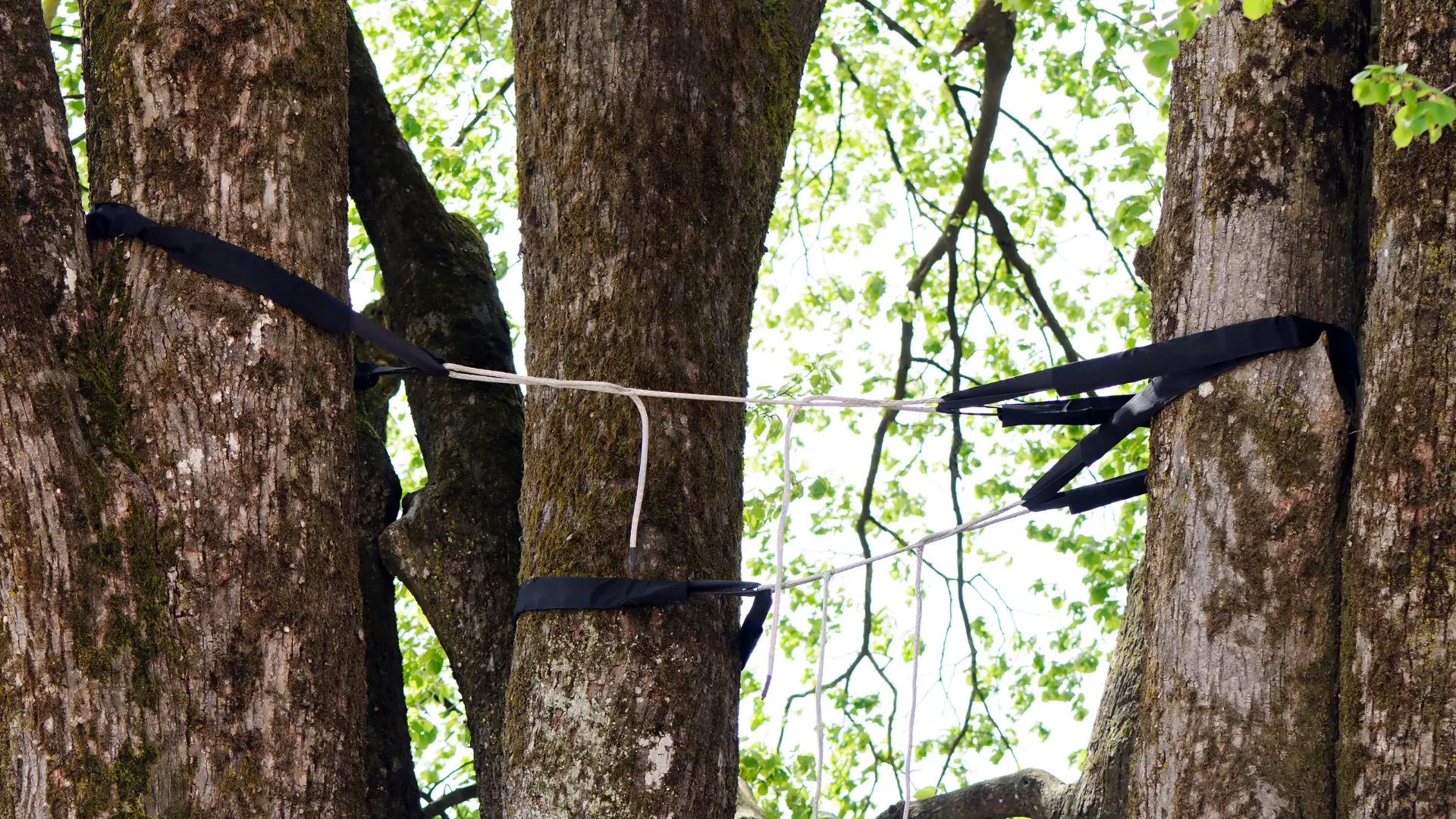
Certified Training: ISA-certified arborists undergo extensive safety instruction and climb using industry-approved harnesses and rigging.
-
Insurance Coverage: Reputable companies carry liability and WSIB coverage, protecting you from medical or property-damage costs.
-
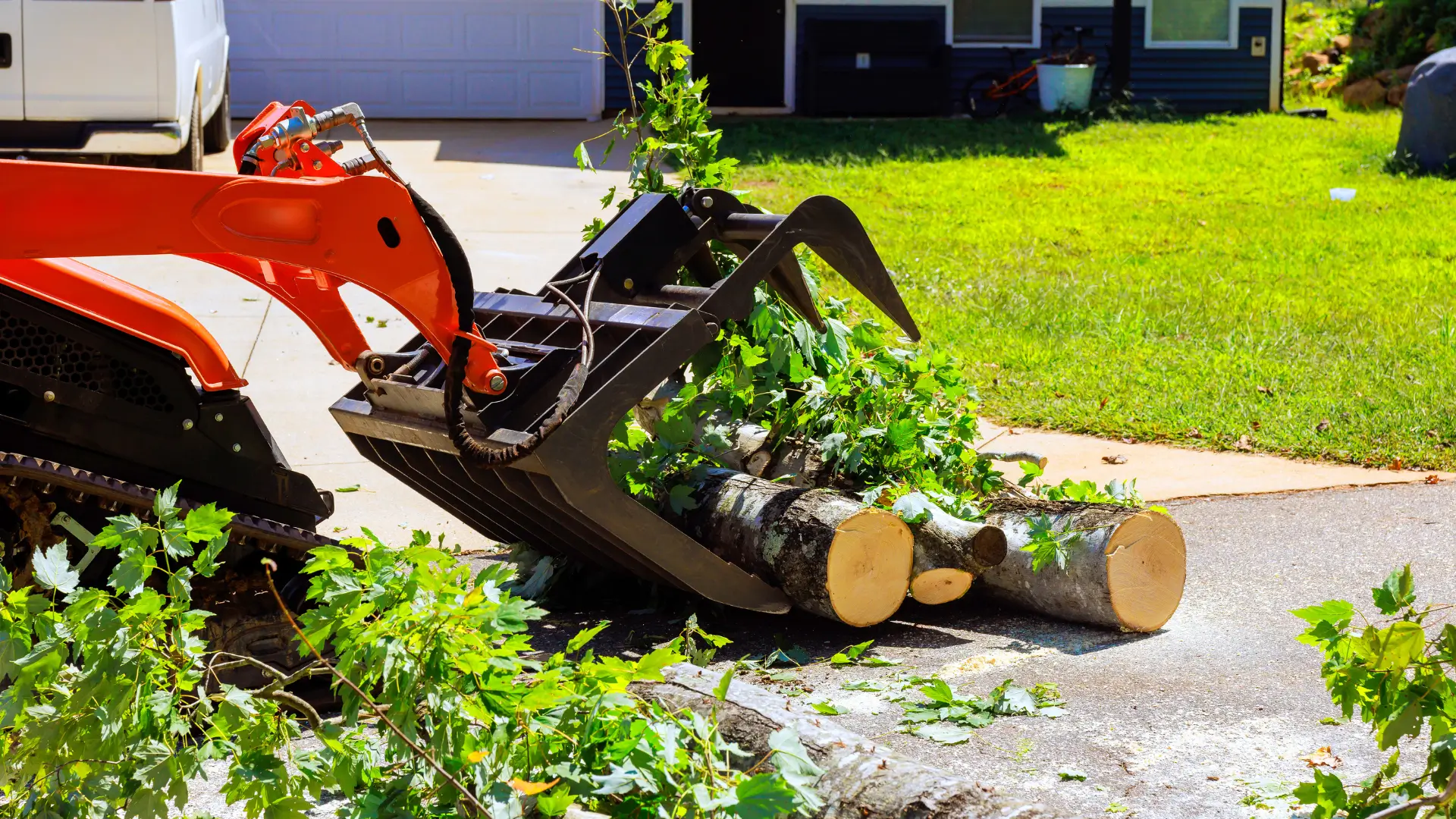
Specialized Equipment: Hydraulic lifts, cranes, and chipper trucks streamline removal while keeping crews safely on stable platforms.
Bottom line: If work involves power tools above shoulder height or branches over structures, hiring a pro is the safest choice.
2. Cost: Upfront Savings vs. Long-Term Expenses
DIY Costs
-
Tool Purchases or Rentals: A quality chainsaw, safety helmet, and climbing gear can exceed $1,000.
-
Disposal Fees: Toronto yard-waste limits mean extra trips or private hauling for larger limbs.
-
Potential Damage: An incorrect cut could drop a limb onto your roof—far pricier than the original service call.
Professional Pricing
-
All-Inclusive Quotes: Estimates cover labour, equipment, disposal, and cleanup. No surprise rental or dump fees.
-
Preventive Value: Proper pruning boosts tree health, mitigating future removal or repair costs.
-
Permit Assistance: Pros handle City of Toronto paperwork, saving time and avoiding fines.
Consider this: DIY can be economical for light pruning on small ornamental trees. Anything higher, heavier, or near utilities often costs less in the long run when handled by experts.
3. Quality & Long-Term Tree Health
DIY Outcomes
-
Improper Cuts Lead to Decay: Flush cuts or torn bark open wounds that invite pests and rot.
-
Over-Pruning Stress: Removing more than 25 % of the canopy can starve the tree, triggering decline or sucker growth.
-
Misdiagnosis: Without horticultural training, it’s easy to mistake nutrient deficiency for disease—or vice versa—resulting in incorrect treatment.
Professional Care
-
Structural Pruning Expertise: Arborists know where to cut to guide growth, reduce storm damage, and extend lifespan.
-
Disease & Pest Detection: Certified professionals spot early signs of emerald ash borer, Dutch elm disease, or fungal infections and apply targeted treatments.
-
Tree Preservation Plan: Pros evaluate soil, compaction, and root zone health—not just the branches—ensuring holistic care.
When long-term health matters, professional intervention pays dividends in shade, air quality, and property value.
4. Tools, Training & Time Investment
-
DIY Learning Curve: Proper rope-and-saddle climbing, chainsaw sharpening, and rigging can take months to master.
-
Weekend Warriors: Large jobs may stretch over multiple weekends, increasing exposure to hazards and neighbourhood disturbances.
-
Professional Efficiency: A trained crew can remove a 15-metre maple, chip debris, and grind the stump in a single day. Less mess, less noise, less disruption.
5. Legal & Regulatory Compliance in Toronto
Toronto’s Private Tree By-law protects most trees with diameters over 30 cm (at 1.4 m height). DIY removal without a permit can result in fines up to $100,000 per tree. Professional arborists:
-
Secure Permits & Reports: They submit arborist reports, replanting plans, and heritage tree assessments when required.
-
Adhere to Bylaws and ANSI Standards: Proper pruning techniques keep you on the right side of regulations and insurance requirements.
6. When DIY Makes Sense
-
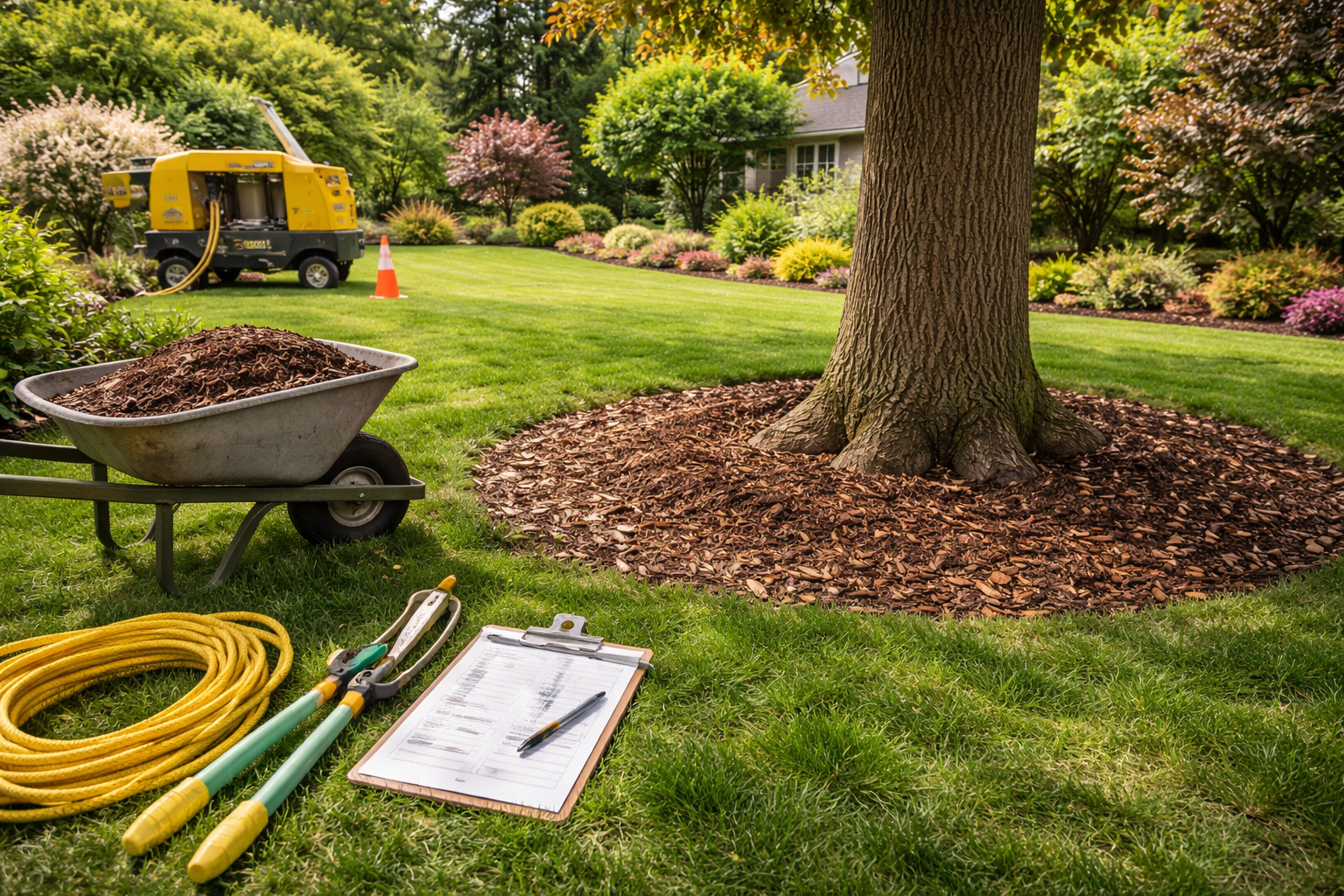
Young Trees & Small Shrubs: Hand pruners or loppers are sufficient for branches under 2 cm in diameter.
-
Ground-Level Clean-Up: Raking leaves, hauling small brush, and applying mulch are homeowner-friendly tasks.
-
Routine Watering & Fertilizing: Following diagnosis from an arborist, you can carry out ongoing care yourself.
7. When to Call a Professional Arborist
-
Tree Height Exceeds 4–5 m (roughly two storeys)
-
Branches Overhang Roofs, Power Lines, or Driveways
-
Signs of Disease or Pests (sawdust piles, fungal conks, D-shaped exit holes)
-
Storm Damage or Leaning Trunks requiring structural assessment
-
Permit-Protected Trees exceeding by-law diameter thresholds
DIY + Professional: The Hybrid Approach
Many Toronto homeowners combine both strategies: schedule a professional health assessment every 1–2 years, then handle light pruning, mulching, and watering themselves. This hybrid model offers expert guidance without relinquishing the personal satisfaction—and cost savings—of routine yard work.
Final Thoughts: Making the Smart Choice
Tree care isn’t simply about sawing off limbs; it’s a skilled science involving biology, physics, and strict safety protocols. While small-scale maintenance is perfectly feasible for most homeowners, larger projects demand professional oversight. Your trees—and your property—will thank you for choosing wisely.
Ready for Expert Tree Care in Toronto?
Loyal Tree Inc. brings ISA-certified arborists, full insurance coverage, and industry-leading equipment to every job—pruning, removals, stump grinding, and health assessments. Protect your investment, enhance curb appeal, and stay fully compliant with Toronto bylaws.
Call (647) 283-8556 or visit our contact page to schedule a free, no-obligation consultation today.