
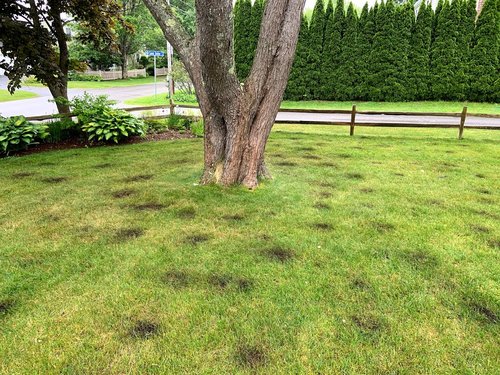
Breathe Life Back into Your Trees: The Power of Vertical Mulching & Soil Aeration for Toronto Yards
After a long Toronto winter, summer should be the season when your trees explode with lush foliage and vigorous new growth. Yet many homeowners notice the opposite: leaves look smaller, internal branches thin out, and overall vigor declines. The culprit is often hidden below the grass line—compacted soil that deprives roots of the oxygen, water, and nutrients they need to thrive.
Foot traffic from backyard gatherings, heavy mowers, construction projects, and even repeated freeze–thaw cycles can turn loose loam into a dense, brick-like mass. When soil pore spaces collapse, fine feeder roots suffocate, water pools on the surface, and beneficial microbes all but disappear. The good news? A specialized treatment called vertical mulching paired with pneumatic soil aeration can reverse years of compaction in a single afternoon—and set up your trees for decades of healthy growth.
What Is Vertical Mulching?
Vertical mulching is a targeted soil-rehabilitation technique that creates evenly spaced, narrow shafts around the root zone. Arborists drill or air-excavate these holes 30–45 cm (12–18 in) deep, then back-fill them with a blend of compost, organic mulch, and sometimes slow-release fertilizers or biochar. These compost-filled columns act like chimneys—channeling oxygen downward, wicking moisture into deeper layers, and encouraging new root growth toward nutrient-rich pockets.
Why Pneumatic Air-Spade Tools?
Traditional augers can shred roots, especially in dense urban plantings where utilities crowd the soil. A pneumatic air spade uses compressed air at supersonic speed to blow soil away without cutting roots, cables, or irrigation lines. The result is precision aeration that preserves the tree’s structural roots and protects underground infrastructure.
Why Summer Is Prime Time for Soil Aeration in Toronto
-
Peak Compaction Season
Patios fill up, kids run across lawns, and landscaping crews drive skid-steers over tree roots. Every footprint and tire mark packs soil particles tighter. Addressing compaction mid-summer prevents irreversible root decline before fall dormancy. -
Rapid Microbial Activity
Warm temperatures supercharge the decomposition of compost back-fill, releasing a steady drip of nutrients right when trees are photosynthesizing at full tilt. -
Storm-Ready Root Systems
Loose, well-oxygenated soil promotes deeper anchoring roots. That extra depth provides stability against July and August windstorms notorious for toppling shallow-rooted maples and lindens. -
Hydration Buffer Before Heat Waves
Aerated soil holds water more evenly. During late-summer droughts, vertical mulching ensures moisture reaches feeder roots instead of running off compacted turf.
Step-by-Step: How Loyal Tree Performs Vertical Mulching
| Stage | Process | Purpose |
|---|---|---|
| 1. Site Assessment | ISA-certified arborist maps critical root zone (CRZ), locates utilities, and gauges soil bulk density with a penetrometer. | Identifies high-compaction zones and ensures safe excavation. |
| 2. Air-Spade Excavation | Technician uses a pneumatic air spade to create 5- to 8-cm-wide vertical shafts every 30–60 cm in a radial pattern. | Breaks up compaction while avoiding root damage. |
| 3. Back-Fill Blend | Shafts are filled with composted leaf mulch, aged pine bark, and optional biochar or mycorrhizal inoculant. | Adds organic matter, retains moisture, and fosters beneficial microbes. |
| 4. Surface Mulch Ring | A 5–8 cm layer of wood-chip mulch is applied over the root zone (pulled away from the trunk). | Reduces evaporation, insulates soil, and discourages further compaction. |
| 5. Deep Watering | Slow-soak irrigation saturates compost columns and surrounding soil to 20 cm depth. | Activates microbes and settles material against native soil. |
| 6. Follow-Up Inspection | Six to twelve months later, Loyal Tree reassesses root vigor and canopy density. | Ensures treatment success and plans any additional care (fertilization, pruning). |
Measurable Benefits You’ll See (and Feel)
1. Explosive Root Regeneration
Within weeks, fine feeder roots colonize the nutrient-rich shafts, expanding the tree’s ability to absorb water and minerals.
2. Greener, Denser Foliage
As root function improves, nutrient transport to leaves skyrockets. Expect richer color, fewer chlorotic (yellowing) leaves, and fuller canopies the following season.
3. Better Storm Resilience
Deeper, healthier roots anchor the tree more securely, reducing the likelihood of windthrow during summer thunderstorms.
4. Reduced Surface Runoff
Aerated soil absorbs rainfall like a sponge, minimizing puddles, soil erosion, and basement leaks often triggered by compacted yards.
5. Long-Term Soil Health
Compost back-fill boosts earthworm populations, improves soil structure, and raises organic-matter content—benefits that compound year after year.
DIY vs. Professional Vertical Mulching
You might wonder if a rental auger and a few bags of compost can achieve the same results. In reality, professional air-spade vertical mulching offers several unbeatable advantages:
-
Root-Safe Excavation: Air excavation peels soil away without cutting roots—a margin of error augers can’t match.
-
By-Law Compliance: Toronto’s Tree Protection By-law prohibits root damage to protected trees. Professionals ensure compliance, preventing hefty fines.
-
Custom Soil Blends: Arborists tailor organic amendments based on onsite soil tests (pH, nutrient profile, etc.).
-
Precision & Speed: Trained crews can treat an entire critical root zone in hours, whereas DIY attempts often stall after a handful of difficult holes.
-
Integrated Care Plans: Aeration is paired with pruning, pest inspections, or cabling as needed, optimizing overall tree health.
Frequently Asked Questions
How often should vertical mulching be done?
For heavily trafficked yards or construction-impacted sites, a 3–5-year cycle keeps soil friable. Less-used landscapes may only need treatment every 7–10 years.
Will digging holes damage my lawn?
The air-spade creates minimal surface disruption. Compost back-fill settles flush with the turf, and a thin mulch ring blends seamlessly with landscaping.
Can vertical mulching save a declining tree?
If soil compaction is the primary stressor and the canopy still retains at least 50 % foliage, aeration can spark a strong recovery. Severely decayed trunks or advanced pest infestations require additional interventions.
Eco-Friendly and Budget-Wise
Vertical mulching doesn’t rely on synthetic fertilizers or constant watering schedules. By rejuvenating natural soil processes, you reduce long-term chemical inputs and irrigation needs—good news for your wallet and the environment.
Give Your Roots Room to Breathe This Summer
Compacted soil is a silent tree killer, but it doesn’t have to spell the end for your favourite maple or cherished backyard oak. With vertical mulching and pneumatic soil aeration, you can restore the underground ecosystem that keeps your trees standing tall and vibrant.
Ready to Revitalize Your Soil?
Loyal Tree Inc. combines ISA-certified expertise with state-of-the-art air-spade technology to deliver rapid, root-safe aeration across Toronto and the GTA. Let us diagnose your soil, design a custom compost blend, and breathe life back into your urban forest.
Call 647-283-8556 or book online schedule your free on-site soil assessment today—because healthy roots mean healthy trees, and healthy trees mean a healthier Toronto.